Few NFL franchises have undergone a more dramatic transformation from early struggles to championship peaks than the Tampa Bay Buccaneers.
Founded in 1976 as an expansion team, Tampa Bay opened with one of the toughest starts in league history yet grew into a franchise capable of dominant defenses, standout offensive playmakers, and two Super Bowl titles.
What began as a team known mostly for futility has evolved into a respected contender with a passionate fan base along Florida’s Gulf Coast.
The Buccaneers’ identity has long revolved around defensive power. The late 1990s and early 2000s era established that reputation through Hall of Fame talent and a scheme built to overwhelm opponents.
Franchise legends such as Derrick Brooks and Warren Sapp formed the core of one of the most feared units of its time. Offensively, the franchise has seen its share of impact players as well, from early star Doug Williams to modern standouts like Mike Evans.
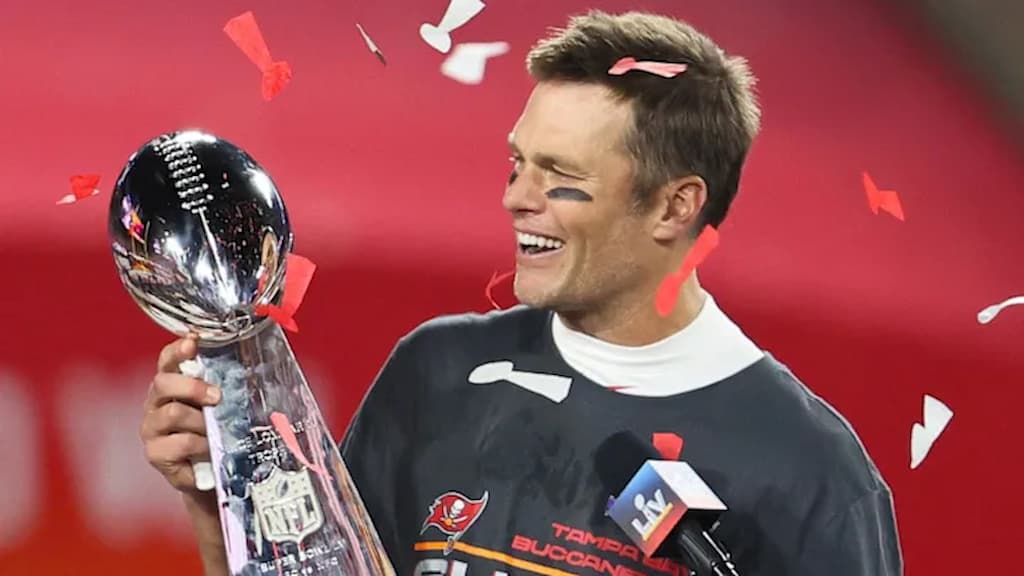
Championship moments define the franchise’s biggest surges. The 2002 title run delivered one of the league’s most dominant defenses at its peak, while the 2020 Super Bowl LV win showcased strong roster construction, leadership, and a revitalized offense behind Tom Brady.
Where Do the Tampa Bay Buccaneers Play?
The Tampa Bay Buccaneers play at Raymond James Stadium in Tampa, Florida. Known for its natural grass field and signature pirate ship in the north end zone, the stadium delivers a unique gameday atmosphere.
With more than 65,000 seats and frequent hosting duties for major football events, it stands as one of the NFL’s most recognizable venues.
Raymond James Stadium has hosted the Super Bowl three times, and it has also hosted major college football games, international soccer matches, and more.
History of the Tampa Bay Buccaneers
Tampa Bay entered the NFL in 1976 and endured a challenging beginning, including a 26-game losing streak that remains an NFL record.
Progress arrived under head coach John McKay, highlighted by an NFC Championship Game run in 1979 with quarterback Doug Williams guiding the offense. The team later experienced extended rebuilding periods before returning to playoff form.
The arrival of Tony Dungy in 1996 marked a turning point. A defense led by Derrick Brooks, Warren Sapp, John Lynch, and Ronde Barber reshaped the franchise, making Tampa Bay a yearly contender with a formidable style of play.
Championship success arrived under Jon Gruden in 2002 when the Buccaneers defeated the Oakland Raiders in Super Bowl XXXVII behind one of the most dominant defenses of the era.
After years of mixed results, the Buccaneers surged again with the arrival of Tom Brady in 2020. His leadership brought immediate impact, culminating in a Super Bowl LV victory against the Kansas City Chiefs. The Buccaneers rolled to a 31-9 win at home in Tampa Bay, marking the first time a team won the Super Bowl in its home stadium.
Brady wrapped up his final season for the Buccaneers in 2022, but the road to the NFC South title continues to run through Tampa Bay. Each season brings expectations of maintaining that dominance and renewed hope of a return to the NFL’s promised land.
Interesting Facts & Franchise Milestones
- Founded in 1976 as an NFL expansion franchise
- Started 0–26, the longest losing streak in NFL history
- Won first Super Bowl in 2002 behind an elite defense
- Tom Brady led the team to a second title in Super Bowl LV
- Raymond James Stadium pirate ship fires cannons after scores
- Iconic creamsicle uniforms returned in modern rotation
- Multiple Buccaneers players and coaches are now in the Hall of Fame
Notable Tampa Bay Buccaneers Players & Coaches
Notable Players
Lee Roy Selmon, Defensive End (1976–1984)
Lee Roy Selmon was the first true star in team history and became the franchise’s foundational defensive anchor. His strength and consistency earned six consecutive Pro Bowl selections and helped establish the Buccaneers’ early identity.
Doug Williams, Quarterback (1978–1982)
Williams brought leadership and production to Tampa Bay and helped the Buccaneers reach the postseason for the first time. He remains a defining figure of the franchise’s early years.
John Lynch, Safety (1993–2003)
Lynch anchored the secondary with toughness and awareness. He became a key part of Tampa Bay’s championship core and later earned entry into the Hall of Fame.
Derrick Brooks, Linebacker (1995–2008)
Brooks served as the heartbeat of the Buccaneers defense and one of the best linebackers of his era. He His instincts, leadership, and high-level play established him as a franchise icon and a respected player league wide.
Brooks, an 11-time Pro Bowl and the 2002 NFL Defensive Player of the Year, was also known for his durability. He did not miss a single game in his NFL career, playing in all 224 possible regular season games and 11 playoff games.
Warren Sapp, Defensive Tackle (1995–2003)
Sapp was a disruptive interior defender whose presence helped build one of the strongest defenses of his era. His explosiveness and personality made him a franchise cornerstone during the years of success under Dungy and Gruden.
Ronde Barber, Cornerback (1997–2012)
Barber excelled in versatility and big moments, highlighted by his game-clinching pick-six in the 2002 NFC Championship Game. His play in the slot helped redefine the role for future defenses.
Mike Evans, Wide Receiver (2014–present)
Mike Evans has been one of the most consistent receivers in league history, opening his career with 11 straight 1,000-yard seasons. He played a pivotal role in the Super Bowl LV run and continues to lead the offense.
Tom Brady, Quarterback (2020–2022)
Brady transformed Tampa Bay into a championship contender immediately and delivered a Super Bowl title in his first season with the Buccaneers. His presence elevated expectations and reshaped the franchise’s trajectory.
Notable Coaches
John McKay (1976-1984)
As the first head coach in Tampa Bay, McKay remains a key figure in Buccaneers history. He won only 44 games in his nine seasons, but his teams won two NFC Central titles. The run to the 1979 NFC Championship Game, a loss to the Los Angeles Rams, was the franchise’s finest hour for some time.
Tony Dungy (1996–2001)
Dungy rebuilt the roster in Tampa Bay and implemented a defensive foundation that turned the Buccaneers into contenders. His leadership laid the groundwork for the championship run that followed.
Jon Gruden (2002–2008)
Jon Gruden took over a playoff-ready defense and delivered Tampa Bay’s first Super Bowl win. His aggressive approach and offensive background defined the era and led to franchise-wide success.
Bruce Arians (2019–2021)
Arians guided the team to its second championship with a player-first coaching style and an effective offense. He helped create the environment that brought Brady to Tampa Bay.