The Kansas City Chiefs have grown into one of the NFL’s most successful franchises, built on passionate fan support, high-powered offenses, and a legacy that stretches from early AFL dominance to modern championship glory.
Founded in 1960 as the Dallas Texans before relocating to Kansas City in 1963, the team helped shape professional football during the merger era. Today, it continues to drive the sport’s evolution.
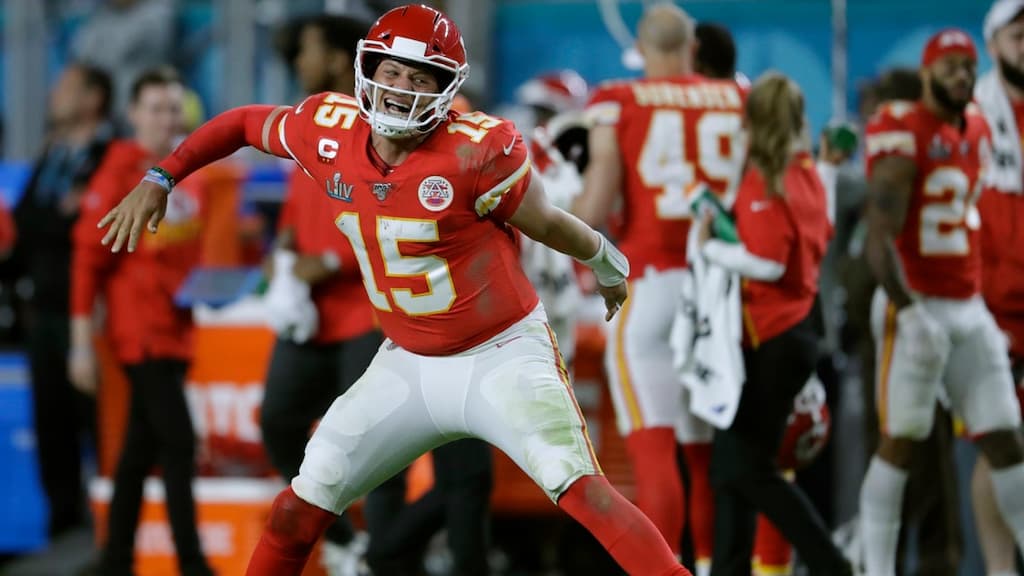
Arrowhead Stadium, the sea of red, and one of the loudest fanbases in sports have become hallmarks of Chiefs football. Generations of supporters have celebrated championship runs, Hall of Fame legends, and a new era of excellence led by Patrick Mahomes, Andy Reid, and one of the most explosive offenses the league has ever seen.
From their AFL roots to recent Super Bowl triumphs, the Chiefs represent innovation, excitement, and a standard of sustained success. The franchise stands firmly in the spotlight, with ambitions of continuing a modern dynasty.
Where Do the Kansas City Chiefs Play?
The Kansas City Chiefs play their home games at Arrowhead Stadium, located at the Truman Sports Complex east of downtown Kansas City. Known worldwide for its roaring atmosphere and record-setting decibel levels, Arrowhead offers a fierce home-field advantage.
Opened in 1972 and seating more than 76,000 fans, the stadium blends tradition with modern upgrades, including improved video boards and enhanced fan experience zones.
Tailgating culture is deeply embedded in Chiefs fandom, with game days turning the stadium grounds into one of the sport’s most iconic environments.
History of the Kansas City Chiefs
The franchise was founded in 1960 by Lamar Hunt as the Dallas Texans, later relocating to Kansas City in 1963 and adopting the Chiefs name.
Under head coach Hank Stram, the team became an AFL powerhouse, winning three league championships and appearing in the first-ever Super Bowl against the Green Bay Packers. Kansas City reached the top with a decisive victory over the Minnesota Vikings in Super Bowl IV, a defining moment for the AFL before the merger with the NFL.
The decades that followed featured memorable players and competitive stretches, though consistent championship contention remained elusive. That changed in the 2010s with the arrival of head coach Andy Reid. Reid’s leadership transformed the team into one of the league’s most innovative offensive units.
The 2017 draft brought Patrick Mahomes to Kansas City, sparking a new era for Chiefs Kingdom. With Mahomes and tight end Travis Kelce leading electric offenses, the Chiefs have since earned multiple Super Bowl appearances and championships. This success has cemented Kansas City as the NFL’s most dominant modern force.
Interesting Facts & Franchise Milestones for the Kansas City Chiefs
- Founded in 1960 as the Dallas Texans; relocated to Kansas City in 1963
- Won Super Bowl IV, LIV, LVII, and LVIII
- Arrowhead Stadium is known for record-high crowd noise levels
- Patrick Mahomes became the fastest QB to reach multiple MVPs and titles
- Home of legendary tight end Travis Kelce and Hall of Famer Tony Gonzalez
Notable Kansas City Chiefs Players and Coaches
Notable Players
Len Dawson, Quarterback (1962–1975)
Len Dawson led the Chiefs through their early glory years, winning two AFL championships and guiding Kansas City to victory in Super Bowl IV. A Hall of Famer known for accuracy and poise, he remains one of the franchise’s foundational icons.
Buck Buchanan, Defensive Tackle (1963–1975)
Buck Buchanan was a dominant force in the early Chiefs defenses and a Hall of Famer. His size, strength, and agility helped anchor Kansas City’s championship teams in the AFL and early NFL era.
Derrick Thomas, Linebacker (1989–1999)
Derrick Thomas was one of the most feared pass-rushers in NFL history. Known for speed, relentlessness, and a record-setting seven-sack game, he was one of the top defensive players of the 1990s.
Emmitt Thomas, Cornerback (1966–1978)
Emmitt Thomas, a Hall of Fame cornerback, excelled at ball-hawking and coverage during the Chiefs’ early Super Bowl era. He later returned to the organization as a coach, continuing his impact on the franchise.
Tony Gonzalez, Tight End (1997–2008)
Tony Gonzalez redefined the tight end position with dominant athleticism, route running, and consistency. A 14-time Pro Bowler (10 consecutive with the Chiefs from 1999 to 2008) and one of the most productive pass-catchers in NFL history, he set the standard for modern tight ends in his time with Kansas City.
Patrick Mahomes, Quarterback (2017–present)
Patrick Mahomes ushered in a new era of offensive creativity and explosive playmaking. With multiple league and Super Bowl MVP awards and championship wins, he is widely regarded as one of the most gifted quarterbacks the league has ever seen and the face of today’s Chiefs dynasty.
Travis Kelce, Tight End (2013–present)
Travis Kelce has become one of the greatest tight ends of all time, producing historic postseason performances and forming an elite connection with Mahomes. His combination of size, speed, and route precision has reshaped expectations for the position.
Notable Coaches
Hank Stram (1960–1974)
Hank Stram guided the Chiefs through AFL prominence, winning three championships and leading Kansas City to a Super Bowl IV victory. Known for offensive innovation and leadership, he played a critical role in shaping early pro football strategy.
Marty Schottenheimer (1989–1998)
Marty Schottenheimer restored competitiveness and pride to Kansas City football. In 10 seasons, he led the team to seven playoff appearances and three division titles. His physical, disciplined style helped establish one of the NFL’s most consistent teams of the 1990s.
Andy Reid (2013–present)
Andy Reid revitalized the franchise and built a modern powerhouse through creativity, quarterback development, and adaptable game planning. His tenure has produced multiple Super Bowl titles and placed Kansas City among the most dominant teams of its generation.