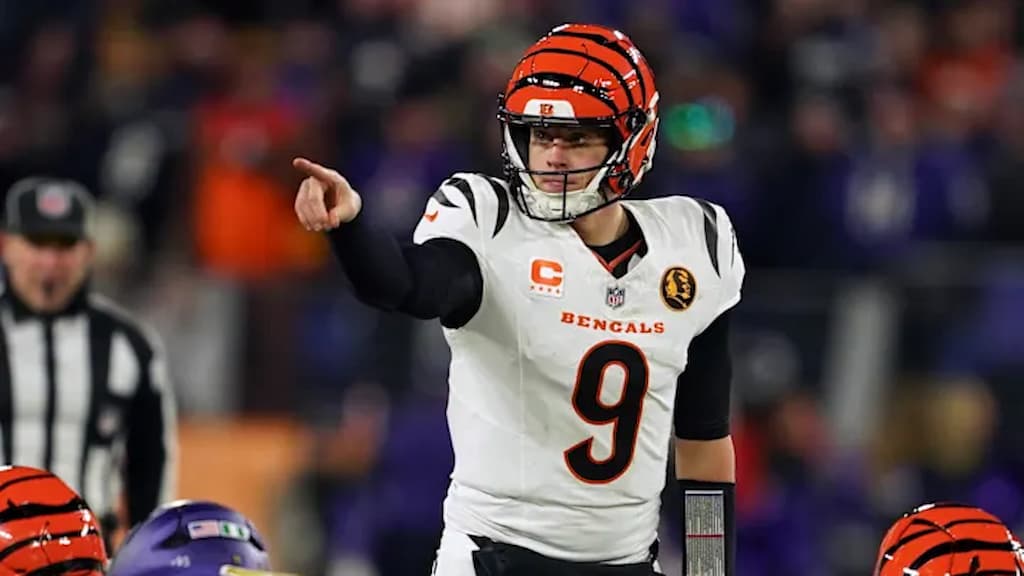
The Cincinnati Bengals have grown into one of the NFL’s most recognizable and resilient franchises. Founded in 1968 by coaching legend Paul Brown, the team helped expand pro football into the modern AFC landscape.
Known for explosive offenses, charismatic stars, and a steadily growing fanbase, the Bengals have forged a distinct place in NFL history. From their early years in the American Football League to multiple Super Bowl appearances, Cincinnati’s blend of toughness and creativity continues to define the franchise.
Bengals fans, who are united by the roar of “Who Dey,” have embraced thrilling seasons, heartbreaking moments, and unforgettable playmakers.
Today, the Cincinnati Bengals balance a forward-looking roster with the traditions that shaped the organization. With young stars leading the way and a renewed commitment to sustained success, the franchise enters each season with rising expectations and a passionate fanbase behind it.
Where Do the Cincinnati Bengals Play?
The Cincinnati Bengals play their home games at Paycor Stadium, a striking, open-air venue located on Cincinnati’s downtown riverfront. Opened in 2000, the stadium seats more than 65,000 fans. It serves as a defining feature of the city’s sports and entertainment district.
Designed with sweeping sightlines and a modern feel, Paycor Stadium has hosted playoff games, primetime matchups, and major college football matchups. The venue’s position along the Ohio River provides a scenic backdrop, while ongoing upgrades continue to improve fan amenities, accessibility, and the overall game-day atmosphere.
Whether packed for a rivalry game or buzzing under the lights for a national broadcast, Paycor Stadium offers one of the AFC’s most electric home-field environments.
History of the Cincinnati Bengals
The Cincinnati Bengals were founded in 1968 by Paul Brown, a pioneering figure in football history, shortly after his departure from the Cleveland Browns. Brown brought decades of coaching innovation to the franchise, shaping its early direction while helping launch the AFL’s expansion era.
Just three years after the 1970 AFL-NFL merger, the Bengals reached the postseason for the first time. By the early 1980s, under head coach Forrest Gregg, Cincinnati reached its first Super Bowl, led by MVP quarterback Ken Anderson and a balanced, disciplined roster.
A second Super Bowl appearance followed in the 1988 season under head coach Sam Wyche, highlighted by rookie running back Ickey Woods, the namesake of the “Ickey Shuffle,” and an explosive offense powered by Boomer Esiason.
Although both championship bids ended in narrow losses to the San Francisco 49ers, the Bengals cemented their reputation as one of the most entertaining and competitive teams of their era.
The 1990s and early 2000s brought periods of rebuilding and outright futility, but the franchise regained momentum under head coach Marvin Lewis. Lewis guided Cincinnati to multiple playoff appearances throughout the 2010s.
In recent years, a new wave of star talent has elevated expectations once again. Led by quarterback Joe Burrow, wide receiver Ja’Marr Chase, and a young core on both sides of the ball, the Bengals returned to the Super Bowl in the 2021 season, reigniting the franchise’s pursuit of its first championship and energizing the “Who Dey” faithful.
Interesting Facts & Franchise Milestones for the Cincinnati Bengals
- Founded in 1968 by legendary coach Paul Brown.
- Joined the NFL during the 1970 AFL–NFL merger.
- Have appeared in three Super Bowls: 1981, 1988, and 2021 seasons.
- “Who Dey” became the rallying cry of Bengals fans in the 1980s and remains a core part of the team’s identity.
- Paycor Stadium opened in 2000 and helped revitalize Cincinnati’s riverfront.
- The franchise has produced multiple MVP-winning quarterbacks, including Ken Anderson and Boomer Esiason.
Notable Cincinnati Bengals Players and Coaches
Notable Players
Ken Anderson, Quarterback (1971–1986)
Ken Anderson became one of the most efficient and accurate quarterbacks of his era. Known for his precision passing and leadership, Anderson won the 1981 NFL MVP award, led the Bengals to their first Super Bowl appearance, and retired with multiple franchise passing records.
Anthony Muñoz, Offensive Tackle (1980–1992)
Considered one of the NFL’s greatest offensive linemen, Muñoz anchored Cincinnati’s offensive line for more than a decade. His exceptional athleticism, technique, and durability earned him 11 Pro Bowl selections and a place in the Pro Football Hall of Fame.
Boomer Esiason, Quarterback (1984–1992, 1997)
Boomer Esiason guided the Bengals to their second Super Bowl appearance during the 1988 season, capturing NFL MVP honors along the way. Known for his strong arm, field vision, and leadership, Esiason remains one of the most iconic players in franchise history.
Chad Johnson, Wide Receiver (2001–2010)
Chad Johnson, also known as Chad Ochocinco, brought elite route running, flare, and personality to the Bengals offense.
A six-time Pro Bowler, he retired as one of the top receivers in team history. Along with quarterback Carson Palmer and fellow receiver T.J. Houshmandzadeh, Johnson helped reinvigorate Cincinnati’s passing attack during the 2000s.
Joe Burrow, Quarterback (2020–Present)
Burrow, the first overall pick in the 2020 NFL Draft, ushered in a new era for the Bengals. After suffering a season-ending injury in his first season, he led Cincinnati to a Super Bowl appearance in just his second season.
Known for his accuracy, poise, and competitive fire, Burrow has quickly become the centerpiece of Cincinnati’s pursuit of long-term success.
Notable Coaches
Paul Brown, Head Coach (1968–1975)
As the franchise’s founder and first head coach, Paul Brown established the Bengals’ identity with innovative strategies and strong leadership. His influence extended far beyond Cincinnati, contributing to the evolution of modern football.
Sam Wyche, Head Coach (1984–1991)
Sam Wyche led the Bengals to their second Super Bowl appearance in the 1988 season. He was known for his fast-paced offensive approach and bold schematic creativity. His leadership helped shape one of the team’s most exciting eras.