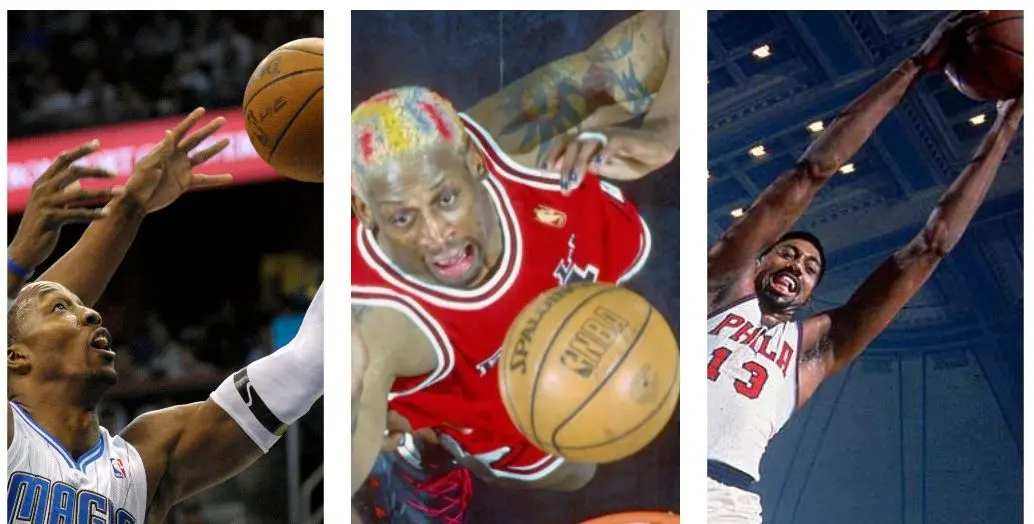
The best NBA all time rebound leaders have shaped the game with their dominance, toughness, and relentless pursuit of missed shots. These elite players controlled the glass and helped their teams win by securing crucial possessions on both ends of the court.
From towering legends like Wilt Chamberlain to undersized warriors like Wes Unseld, each player brought a unique rebounding style. Their ability to read shots, box out, and battle in the paint set them apart from their peers.
Rebounding remains a critical stat in NBA picks, often determining which team gains momentum and controls the game’s tempo. Great rebounders don’t just collect stats – they change outcomes by extending possessions and denying second chances.
Throughout different eras, the league’s best rebounders have adapted to evolving play styles and faster offenses. Yet, they consistently delivered massive rebounding numbers across decades of play.
This list features players who dominated nightly and earned their place through consistency, physicality, and effort:

Honorable Mention: Dennis Rodman: A Rebounding Specialist
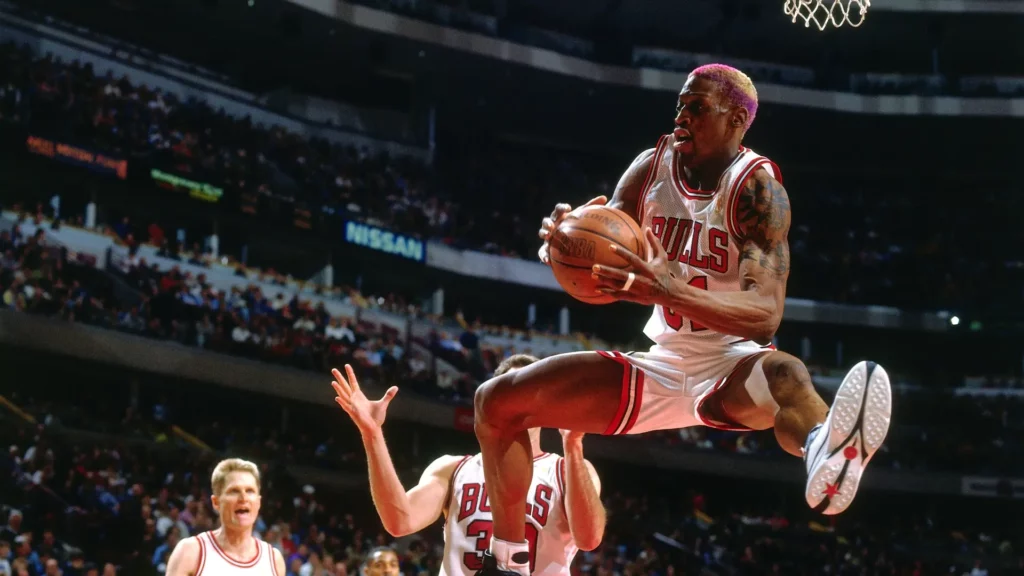
Total Rebounds All-Time: 11,954
Career Rebounds Per Game: 13.1
Times Became Rebound Leader: 7
Dennis Rodman unfortunately misses the cut on the best NBA all-time rebound leaders in terms of total rebounds. However, with his relentless energy, perfect timing, and fearless mentality, Rodman turned rebounding into an art form. He dominated the glass like no other player in NBA history.
Rodman won seven straight NBA rebounding titles. In 1991-92, he averaged 18.7 rebounds per game. He followed with 18.3 in 1992-93, 17.3 in 1993-94, 16.8 in 1994-95. Rodman continued grabbing 14.9 boards in 1995-96, 16.1 in 1996-97, and 15.0 in 1997-98. These seasons displayed his complete control over rebounding battles.
From the start of his career with the Detroit Pistons, Rodman made rebounding and defense his calling cards. He didn’t rely on size – he relied on study, hustle, and positioning. Rodman memorized shooting angles and anticipated every bounce.
After his time with the San Antonio Spurs, he went to the Chicago Bulls, where he continued dominating the glass. He helped the Bulls win three championships with elite rebounding.
Over his 14-year career, Rodman totaled 11,954 rebounds and averaged 13.1 rebounds per game. His per-game averages often led the league.
Importantly, Rodman rebounded with unmatched intensity. He fought for every ball like the game depended on it, and his rebounding made him invaluable to championship teams.
Rodman’s seven rebounding titles, unmatched tenacity, and unique style make him one of the best NBA all-time rebound leaders. His impact on rebounding remains legendary.
Dwight Howard: Superman in the Paint
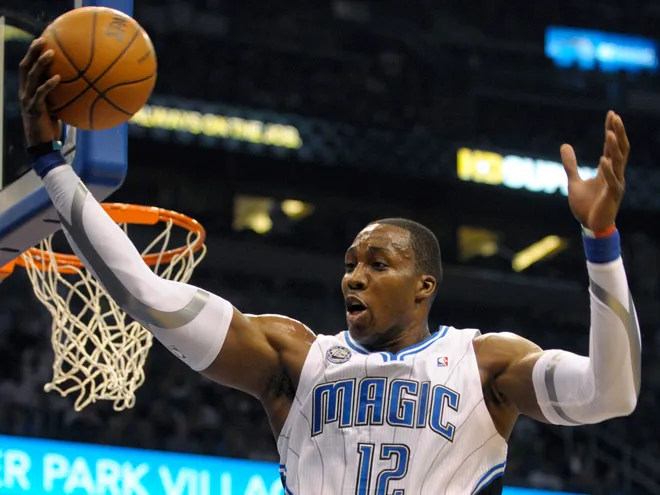
Total Rebounds All-Time: 14,627
Career Rebounds Per Game: 11.8
Times Became Rebound Leader: 5
Thanks to his power, athleticism, and timing, Dwight Howard ranks among the best NBA all-time rebound leaders. He dominated the paint for years and consistently outperformed NBA player props with his rebounding numbers.
Howard won five NBA rebounding titles. In 2007-08, he averaged 14.2 rebounds per game. He followed with 13.8 in 2008-09, 13.2 in 2009-10, 14.1 in 2011-12, and 12.4 in 2012-13. These seasons proved his consistent dominance on the boards.
From the moment he entered the NBA in 2004, Howard made rebounding a core part of his game. He averaged 10.0 rebounds as a rookie. As he developed, Howard used his strength and vertical leap to dominate bigger and older opponents. He quickly became a double-double machine.
Transitioning into the late 2000s, Howard led the Orlando Magic to the 2009 NBA Finals. His rebounding powered their defense and second-chance scoring.
Over his career, Howard collected over 14,000 rebounds, placing him among the NBA’s all-time leaders. He averaged 11.8 rebounds per game over nearly two decades.
Importantly, Howard rebounded with authority. He boxed out hard, attacked the ball in the air, and punished teams on the glass. Bettors often favored him in NBA player props due to his consistent rebounding performances.
Dwight Howard’s five rebounding titles, career totals, and physical dominance make him one of the best NBA all-time rebound leaders.
Kevin Garnett: The Big Ticket Gobbled Rebounds
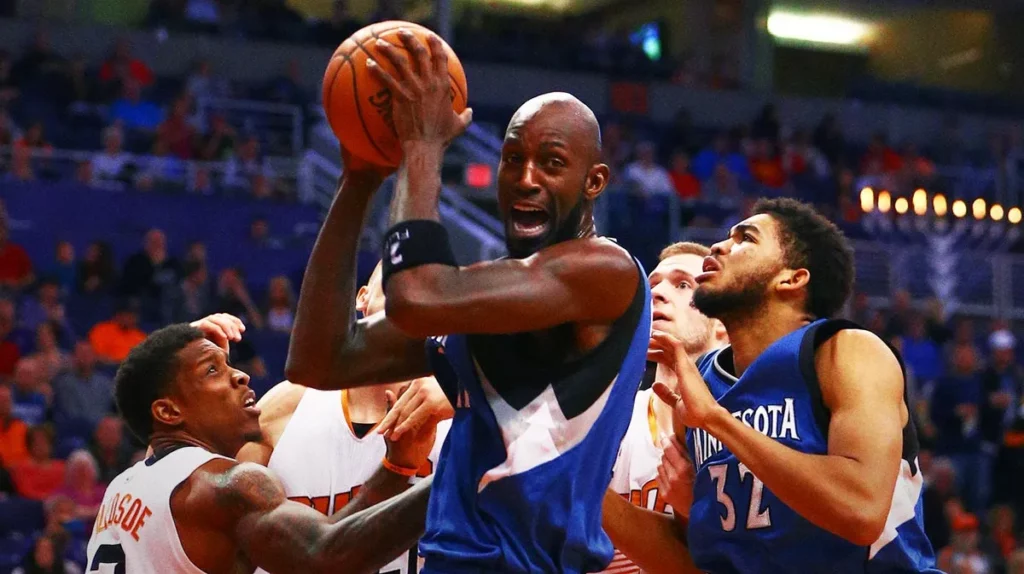
Total Rebounds All-Time: 14,662
Career Rebounds Per Game: 10.0
Times Became Rebound Leader: 4
Kevin Garnett ranks 9th on the NBA All-Time Rebound Leaders list because of his intensity, footwork, and relentless hustle. As one of the best Timberwolves players ever, Garnett anchored the team with unmatched energy and rebounding dominance.
From his rookie season in 1995, Garnett showed elite instincts on the boards. He read shots well and reacted with lightning speed. His quick feet and strong positioning allowed him to grab both offensive and defensive rebounds with authority.
Between 2003 and 2007, Garnett led the league in rebounds for four straight seasons. In 2003-04, he averaged 13.9 rebounds per game. That same season, he won league MVP and carried Minnesota to the Western Conference Finals.
Over his 21-year career, Garnett totaled 14,662 rebounds. He averaged 10 rebounds per game across 1,462 games, proving his incredible consistency.
Importantly, Garnett rebounded with grit. He boxed out forcefully, hustled for every loose ball, and fought through contact under the rim.
His presence always impacted NBA odds, as his rebounding helped control tempo and create extra possessions.
As one of the best Timberwolves players and fiercest competitors, Garnett’s rebounding legacy remains one of the strongest in NBA history.
Robert Parish: The Chief Is a Commanding Rebounder
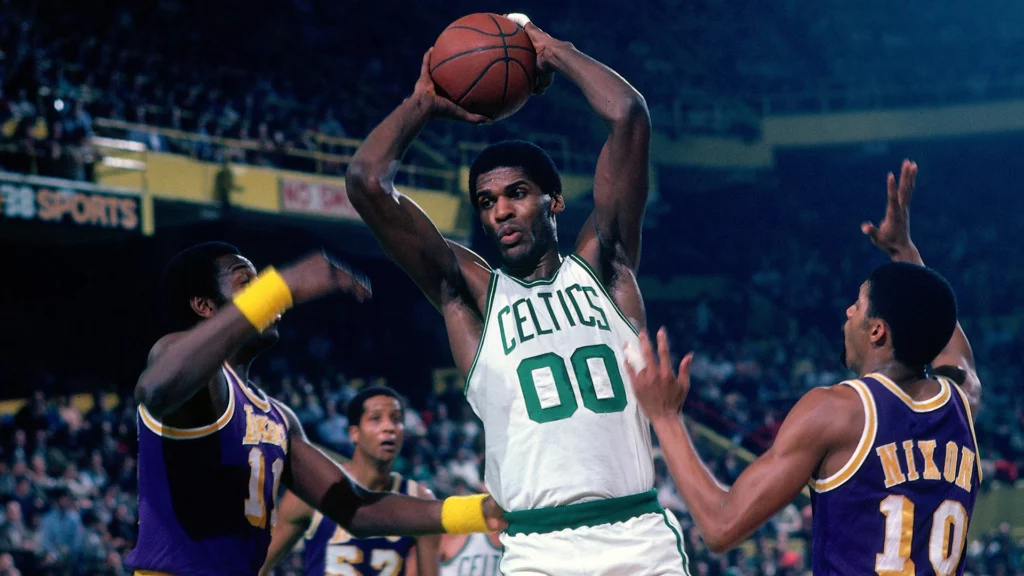
Total Rebounds All-Time: 14,715
Career Rebounds Per Game: 9.1
Times Became Rebound Leader: 0
Robert Parish ranks 8th on the NBA All-Time Rebound Leaders list because of his longevity, strength, and disciplined approach to the game. Known for his consistency and quiet toughness, Parish dominated the glass for over two decades.
From his early days with Golden State to his legendary run with Boston, Parish rebounded with precision and purpose. He used his 7-foot frame and excellent footwork to secure both offensive and defensive rebounds. His ability to stay healthy and effective made him one of the most reliable big men in league history.
In the 1980s, Parish helped the Celtics win three NBA titles. He anchored the paint alongside Larry Bird and Kevin McHale. His rebounding helped control tempo, impacted NBA odds, and gave Boston second-chance opportunities in key moments.
Over 21 seasons, Parish totaled 14,715 rebounds. He averaged 9.1 rebounds per game across a record 1,611 games played. That durability was unmatched among his peers.
Importantly, Parish rebounded without flash. He positioned well, boxed out consistently, and made smart plays to help his team win.
As one of the most respected veterans in NBA history, Robert Parish secured his spot among the best NBA all-time rebound leaders through effort and endurance

Karl Malone: The Mailman Delivers with Points and Rebounds
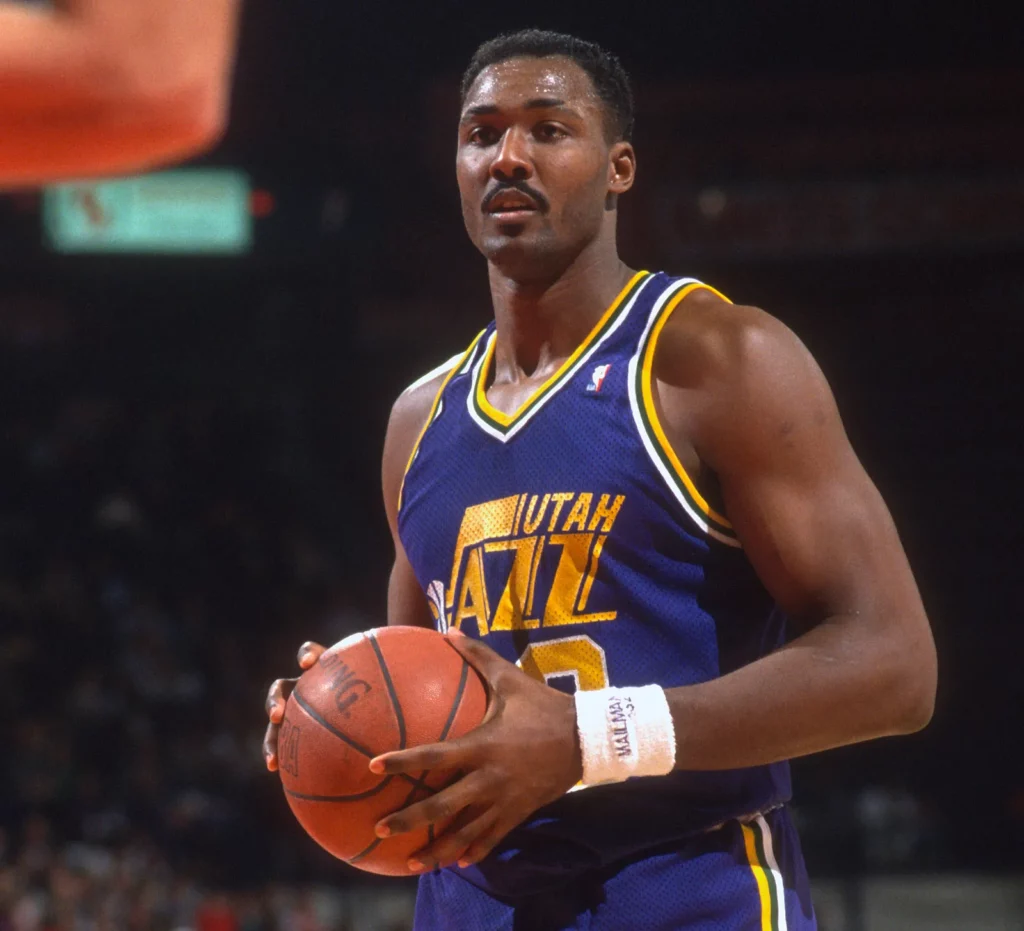
Total Rebounds All-Time: 14,715
Career Rebounds Per Game: 9.1
Times Became Rebound Leader: 0
Karl Malone ranks 7th on the NBA All-Time Rebound Leaders list because of his strength, endurance, and relentless effort in the paint. “The Mailman” delivered consistent production every night, especially on the boards.
From the start of his career in 1985, Malone showed elite rebounding instincts. He averaged 8.9 rebounds as a rookie and only improved from there. His physicality and conditioning allowed him to outlast and outwork defenders for positioning.
During his prime, Malone consistently grabbed double-digit rebounds while also being one of the league’s top scorers. His ability to rebound and score made him a nightmare for opposing teams and influenced NBA odds throughout the 1990s.
Over 19 seasons, Malone collected 14,968 rebounds. He averaged 10.1 rebounds per game while playing in 1,476 total games. His durability and preparation were unmatched among power forwards.
Importantly, Malone earned rebounds through strength and technique. He boxed out hard and attacked every missed shot with focus and aggression.
As one of the best NBA all-time rebound leaders, Malone anchored the Utah Jazz frontcourt and remains one of the most dominant forwards ever.
His rebounding legacy, paired with scoring excellence, solidified his place among the game’s greatest players.
Tim Duncan: The Big Fundamental Got Those Boards
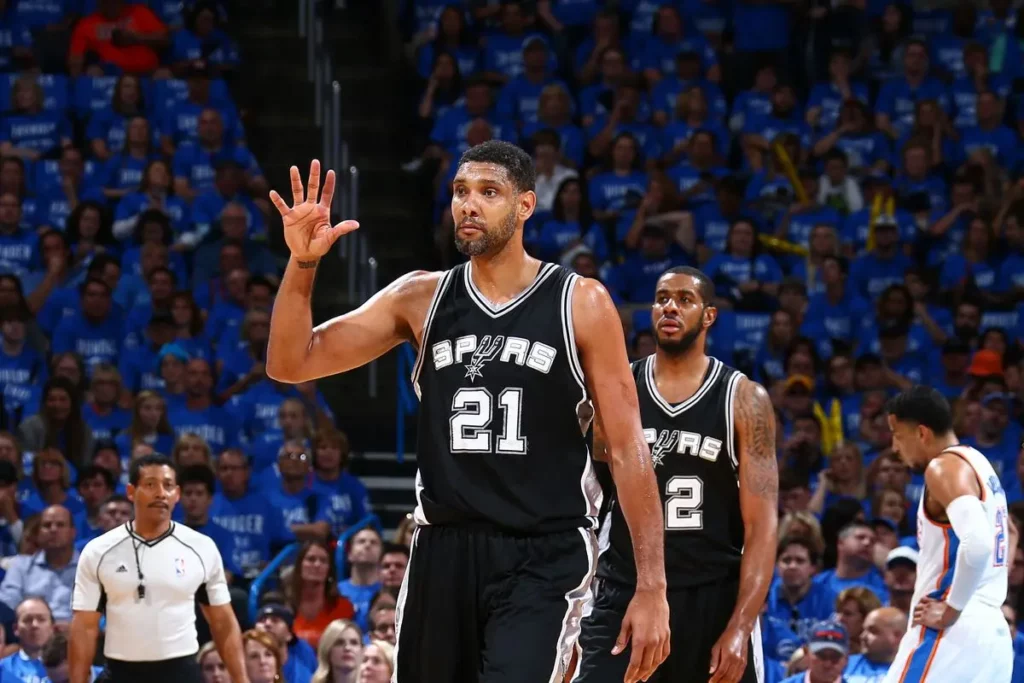
Total Rebounds All-Time: 15,091
Career Rebounds Per Game: 10.8
Times Became Rebound Leader: 0
Tim Duncan ranks 6th on the NBA All-Time Rebound Leaders list because of his fundamentals, consistency, and basketball IQ. “The Big Fundamental” anchored the San Antonio Spurs with elite defense and rebounding throughout his career.
From his rookie season in 1997, Duncan showed rebounding excellence. He averaged 11.9 rebounds per game and quickly established himself as a dominant force. His timing, positioning, and discipline helped him out-rebound more athletic players nightly.
Throughout the 2000s, Duncan remained one of the most reliable rebounders in the league. He provided second-chance points and controlled defensive boards effortlessly. His presence always impacted NBA odds by limiting opponents’ possessions and extending his team’s opportunities.
Over 19 seasons, Duncan totaled 15,091 rebounds, averaging 10.8 per game. He played in 1,392 games and consistently delivered on both ends. His durability and poise made him a cornerstone of San Antonio’s five championship runs.
Importantly, Duncan rebounded through skill, not just size. He boxed out efficiently and moved defenders with smart footwork and leverage.
As one of the best NBA all-time rebound leaders, Duncan combined intelligence, effort, and consistency to dominate the paint and lead his team to success.

Elvin Hayes: The Big E for a Reason
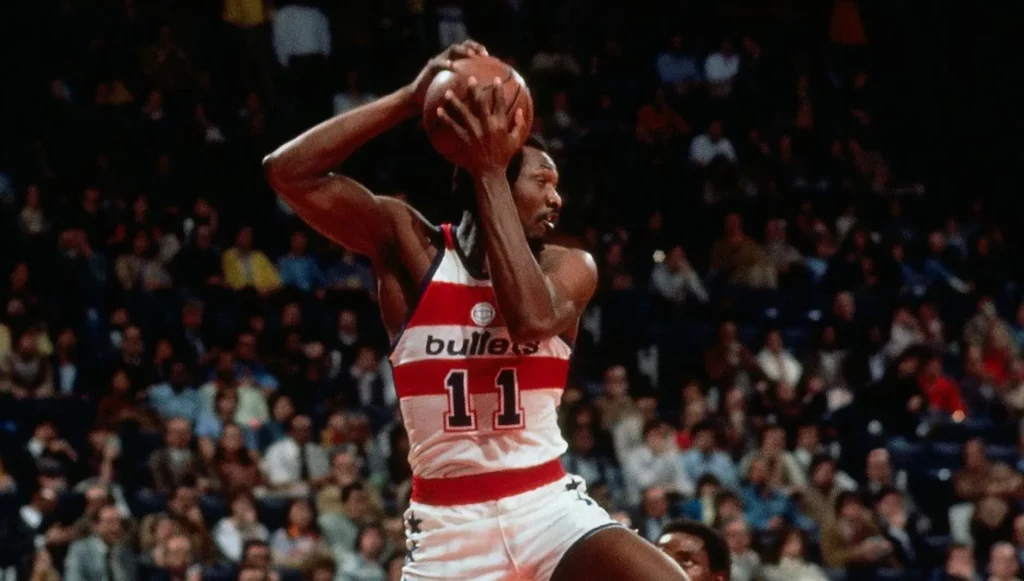
Total Rebounds All-Time: 16,279
Career Rebounds Per Game: 12.5
Times Became Rebound Leader: 2
Elvin Hayes ranks among the best NBA all-time rebound leaders due to his strength, durability, and relentless work ethic. He battled in the paint every night and rarely took a play off. His consistent effort earned him two NBA rebounding titles.
In the 1969-70 season, Hayes led the league with 16.9 rebounds per game. He repeated in 1973-74, averaging an impressive 18.1. These dominant performances showcased his ability to outwork and outlast opponents on the boards.
Starting in his rookie year in 1968, Hayes made an instant impact. He averaged 17.1 rebounds per game and never slowed down. His powerful frame and explosive second jump turned him into a relentless rebounding machine.
As the 1970s progressed, Hayes remained a dependable double-double threat every season. He played over 80 games in 12 straight years, demonstrating elite durability and drive.
Across his 16-year career, Hayes totaled 16,279 rebounds. He averaged 12.5 rebounds per game across more than 1,300 games.
Importantly, Hayes excelled on the defensive glass and consistently triggered fast breaks with quick outlet passes. His rebounding helped anchor the Washington Bullets’ defense during their 1978 championship run.
He succeeded through more than just size. His timing, toughness, and positioning gave him an edge over bigger players. Hayes often boxed out stronger opponents using smarter instincts and greater effort.
Ultimately, Hayes’ rebounding totals, tireless consistency, and championship presence make him one of the NBA’s all-time great rebounders.
Moses Malone: A Mountain of a Man Down the Paint
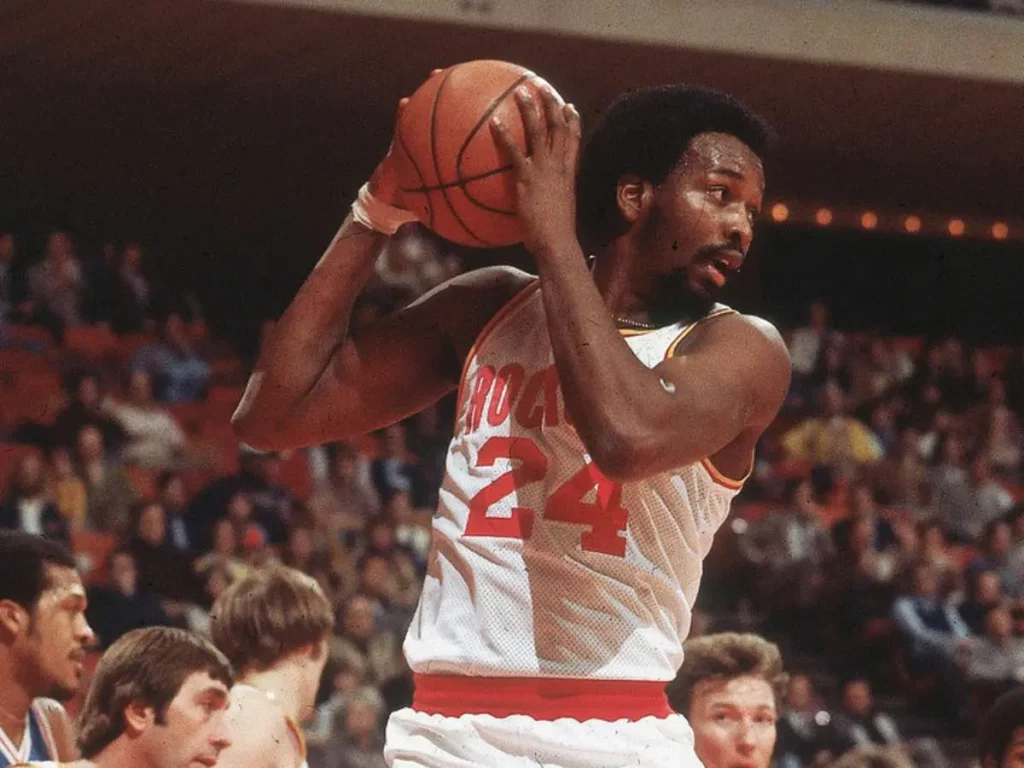
Total Rebounds All-Time: 16,212
Career Rebounds Per Game: 12.2
Times Became Rebound Leader: 6
Moses Malone ranks 4th on the list because of his tenacity, positioning, and relentless work ethic. He consistently outworked opponents on the boards, grabbing rebounds through effort, not flash.
From his rookie season in the ABA, Malone showed his knack of commanding the boards. He carried that skill into the NBA with immediate impact.
In the 1978-79 season, Malone led the league with 17.6 rebounds per game. He followed with 14.5 in 1980-81 and 14.8 in 1981-82. In 1982-83, he averaged 15.3 rebounds and helped the 76ers win the NBA championship.
These four rebounding titles proved his consistency and unmatched ability to read the ball off the rim. Malone dominated offensive rebounding. He created second-chance points and frustrated defenses with tip-ins and put-backs.
As the leader of the Rockets and 76ers, Malone powered deep playoff runs and earned three league MVP awards.
Over his 21-year career, Malone grabbed 16,212 rebounds, ranking him fourth in NBA history. He averaged 12.3 rebounds per game across more than 1,300 games.
Importantly, Malone boxed out, hustled, and battled for every board. His heart, skill, and effort built a legacy of rebounding prowess.
Kareem Abdul-Jabbar: The Captain Rebounds with the Best of Them
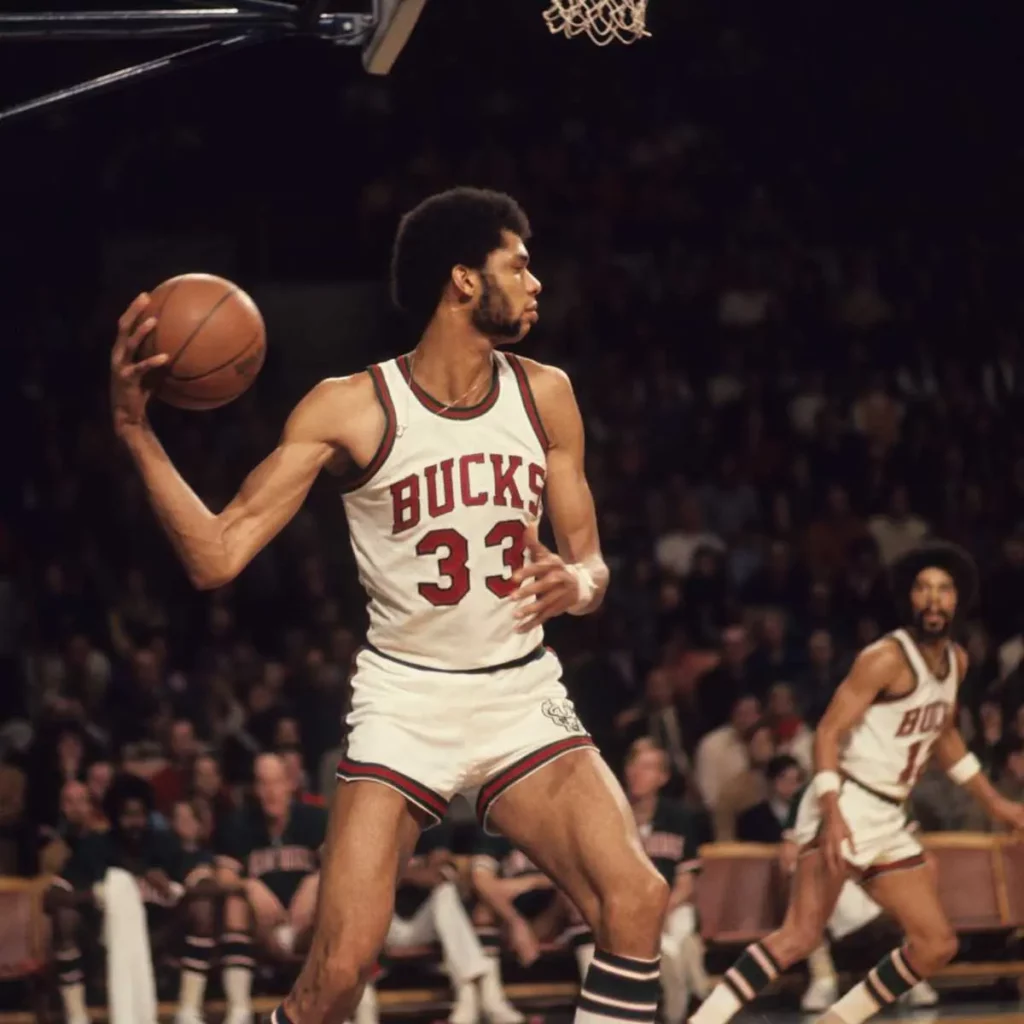
Total Rebounds All-Time: 17,440
Career Rebounds Per Game: 11.2
Times Became Rebound Leader: 1
Kareem Abdul-Jabbar ranks 3rd on the this list because of his size, skill, and longevity. Standing 7-foot-2, he used his length and footwork to control the paint and dominate opponents on the glass.
From his rookie season in 1969, Kareem rebounded with consistency and purpose. He averaged 14.5 rebounds per game that year. His ability to read shots and position himself gave him an edge over other big men.
In the 1975-76 season, he led the league with 16.9 rebounds per game. That campaign highlighted his elite rebounding dominance.
While known for his unstoppable skyhook, Kareem never let his rebounding efforts slip. He provided second-chance points and defensive stops.
Transitioning into the 1980s, he adapted to a faster game while keeping strong numbers on the boards and leading the Lakers to titles.
Over 20 seasons, Kareem grabbed 17,440 rebounds. That total places him third in NBA history and highlights why he’s considered to be one of the best.
Importantly, he cleared the boards with intelligence, boxing out smartly and extending possessions with timely put-backs.
Kareem’s mix of endurance, awareness, and skill allowed him to dominate the glass and secure his place in NBA history.
Bill Russell: Chamberlain’s Biggest Rival
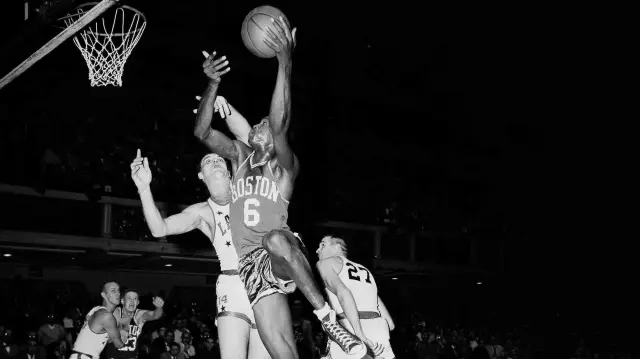
Total Rebounds All-Time: 21,620
Career Rebounds Per Game: 22.5
Times Became Rebound Leader: 5
Bill Russell ranks second among the best NBA all-time rebound leaders with his intelligence, timing, and unmatched commitment to winning. He changed the game with his defense and rebounding, setting a new standard for big men.
Russell won five NBA rebounding titles. In 1957-58, he averaged 22.7 rebounds per game. He followed with 23.0 in 1958-59, 24.0 in 1963-64, 24.1 in 1964-65, and 22.8 in 1968-69. These seasons highlight his consistent dominance on the glass throughout his legendary career.
From his rookie season in 1956, Russell made rebounding a weapon. He controlled games by limiting second chances and starting fast breaks.
Transitioning through the 1960s, Russell led the Boston Celtics to 11 championships in 13 seasons. His rebounding was the foundation of their dynasty.
Russell finished his career with 21,620 rebounds, second most in NBA history. He averaged 22.5 rebounds per game, an astounding figure.
Importantly, Russell treated each rebound as vital. He understood possession control led to victory, and he battled for every loose ball. His impact extended beyond stats. He inspired teammates with his selfless play and unmatched defensive intensity.
Even without flashy scoring, Russell’s rebounding shaped basketball’s golden era. He proved effort and intelligence wins games. Bill Russell’s five rebounding titles, consistency, and team-first mindset make him one of the best NBA all-time rebound leaders.

Wilt Chamberlain: Atop the Best NBA All Time Rebound Leaders List
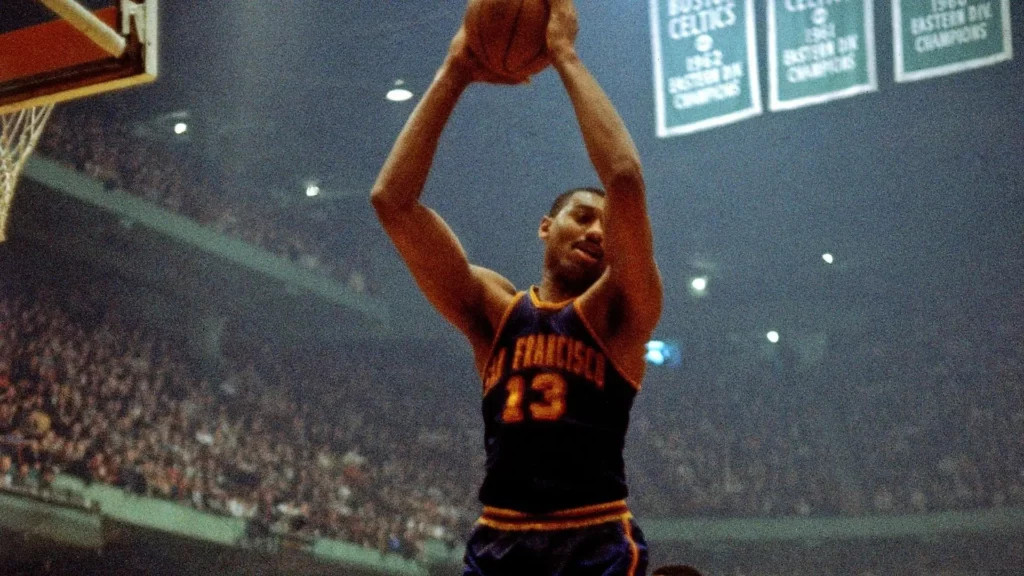
Total Rebounds All-Time: 23,924
Career Rebounds Per Game: 22.9
Times Became Rebound Leader: 11
Wilt Chamberlain is the best NBA all-time rebound leader and is unquestionably one of the best centers in the NBA. His size, strength, and athleticism made him nearly unstoppable on the boards.
Chamberlain won the NBA rebounding title an incredible eleven times. In 1959-60, he averaged 27.0 rebounds per game. He followed with 27.2 in 1960-61, 25.7 in 1961-62, 24.3 in 1962-63, and 24.9 in 1965-66.
After this, he grabbed 24.2 in 1966-67, 23.8 in 1967-68, 21.1 in 1968-69, 21.1 in 1970-71. Chamberlain continued to collect boards – he grabbed 19.2 in 1971-72, and 18.6 in 1972-73. These dominant seasons and gaudy numbers define his control of the paint.
Transitioning through three teams, he remained a rebounding force from rookie to final season. Chamberlain grabbed 23,924 career rebounds, the most in NBA history. He averaged 22.9 rebounds per game over 14 seasons. Importantly, he used rebounds to ignite fast breaks and dominate tempo. He made rebounding a winning weapon.
Wilt Chamberlain’s eleven rebounding titles, unbelievable totals, and presence make him one of the best NBA rebound leaders.
Hungry for more NBA content? Check out the best NBA Steals leaders of all time, or the best NBA shooters of all time.