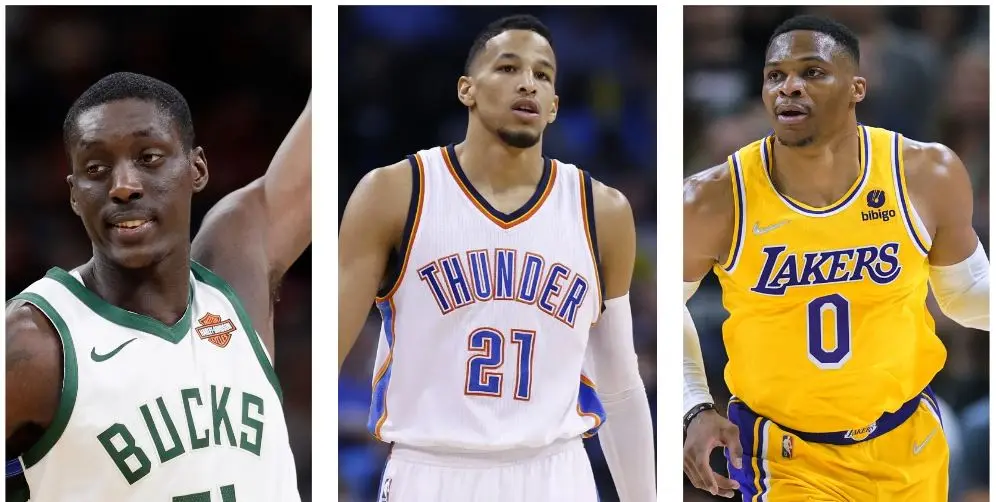
The worst NBA stat lines reveal unforgettable games where players completely underperformed, shocking fans, coaches, and anyone tracking NBA picks. While the league celebrates greatness, these moments highlight basketball’s unpredictability. Even superstars can post baffling numbers on the wrong night.
Sometimes, players miss every shot. Other times, they rack up turnovers or commit fouls at a historic pace. These stat lines affect more than just box scores. They can completely flip NBA odds and ruin confident NBA picks overnight.
Moreover, bad performances don’t always come from bench players. Even MVPs and legends have suffered some of the worst NBA stat lines ever recorded. In today’s data-driven era, every number matters. One poor game can haunt a player’s season or even career.
Fans remember clutch shots, but they also never forget nights filled with bricks, fouls, and mental lapses. Still, these stat lines serve as a reminder – basketball is a game of highs and lows. No one is immune.
So, whether you’re a fan, analyst, or someone watching the spread, these games are part of NBA history. Let’s take a closer look at the ten worst NBA stat lines of all time – where stats went south and hope disappeared fast.

John Starks: When the Shots Aren’t Falling
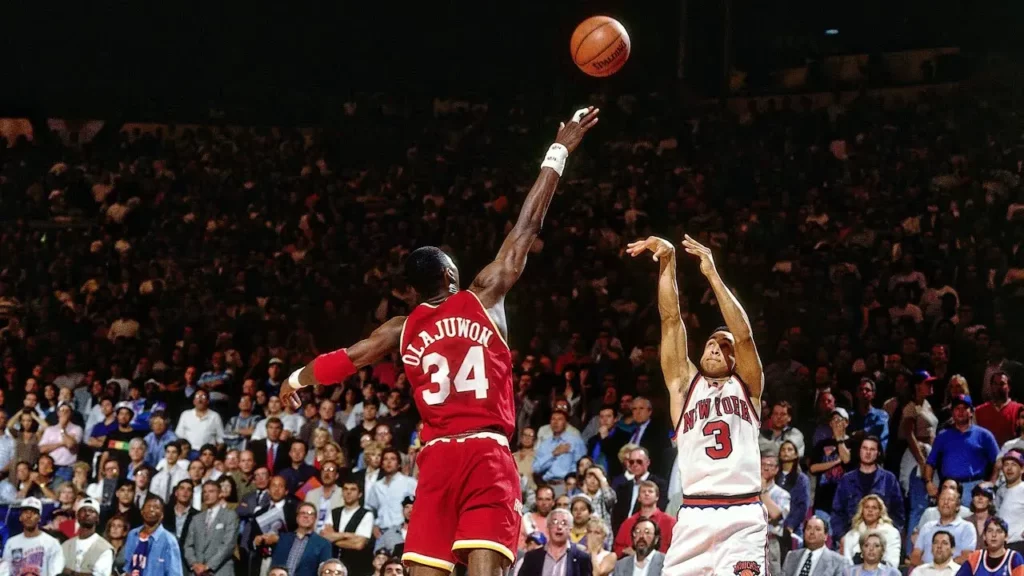
John Starks recorded his worst stat line during Game 7 of the 1994 NBA Finals against the Houston Rockets. In a must-win game, Starks shot a miserable 2-for-18 from the field, including 0-for-11 from three-point range.
Despite the cold hand, he continued firing, hoping to catch fire and lift the New York Knicks to a title. Instead, his missed shots helped the Rockets hold momentum and eventually win the game and the championship.
Starks finished with 8 points, 2 assists, and 3 turnovers, marking one of the worst shooting performances in Finals history. The Knicks had a chance to win their first title since 1973, but Starks’ struggles proved too costly.
Coaches and fans believed he should have passed more or attacked the basket instead of forcing threes. Despite the nightmare outing, Starks remains one of the best New York Knicks players ever for his heart and hustle.
Still, this performance followed him throughout his career and became a defining moment in Knicks Finals lore. Even legends have their low points, and Game 7 was Starks’ darkest. For fans and analysts alike, it remains one of the most infamous stat lines in NBA Finals history.
Reggie Miller: It Certainly Wasn’t Miller Time in Game 1
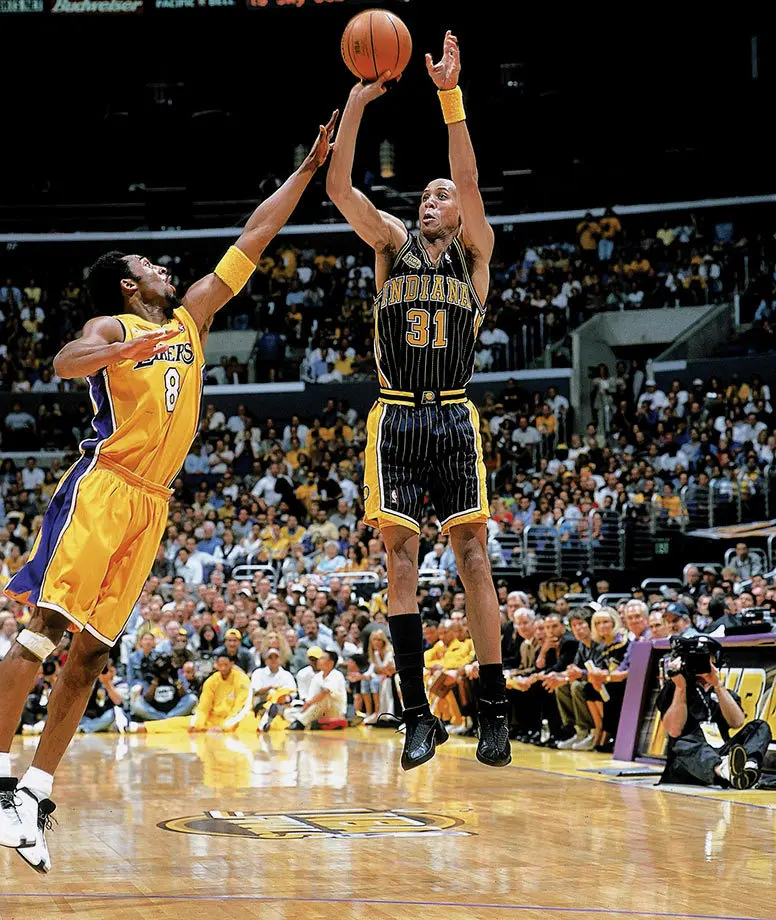
In Game 1 of the 2000 NBA Finals, Reggie Miller delivered one of his worst playoff performances against the Los Angeles Lakers. Arguably the best Indiana Pacers player and one of the best NBA shooters finished with a shocking 1-for-16 shooting from the field.
Despite playing 41 minutes, Miller scored only 7 points, well below his usual postseason average. His jumper simply refused to fall. The Lakers’ defense, led by Kobe Bryant and Ron Harper, smothered Miller and forced him into difficult, contested shots.
Even when he found open looks, Miller couldn’t convert. His lone field goal came late in the fourth quarter. Pacers fans expected their veteran leader to shine, especially in a high-stakes game on basketball’s biggest stage.
Instead, Miller looked rattled and frustrated, missing wide-open threes and key midrange attempts throughout the night. Although the Pacers battled hard, Miller’s cold shooting helped the Lakers secure a crucial 104-87 win at home.
The performance shocked many, especially since Miller was known as one of the most clutch shooters in NBA history. Even the best NBA shooters can falter. This game reminded fans that pressure and elite defense can silence even legends.
Miller rebounded later, but this nightmare start hurt Indiana’s Finals momentum.
Kenyon Martin: K-Mart Had a BAD Finals Game
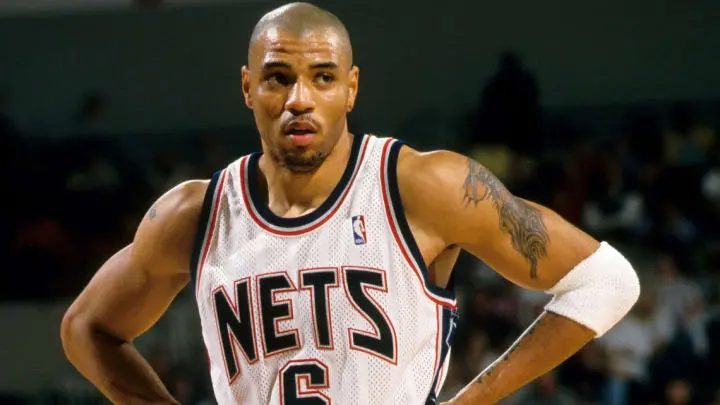
Kenyon Martin delivered a brutal shooting night during Game 6 of the 2003 NBA Finals against the San Antonio Spurs. With the championship on the line, Martin shot a dismal 3-for-23 from the field, finishing with just 6 points.
Despite his aggressive approach, nearly every shot clanged off the rim or was altered by San Antonio’s disciplined defense. The Spurs packed the paint, daring Martin to shoot midrange jumpers – and he obliged, to New Jersey’s disappointment.
Every missed shot added pressure, as the Nets struggled to keep pace with Tim Duncan and the efficient Spurs offense. Martin, known for his athleticism and energy, couldn’t find a rhythm or adjust to the Spurs’ suffocating coverage.
Even when he attacked the rim, his finishing lacked touch, leading to frustration and rushed attempts. The Nets desperately needed offensive support for Jason Kidd, but Martin’s poor shooting proved too costly.
His final shooting percentage – just 13% – became one of the worst ever in a Finals closeout game. Though Martin played hard defensively, his offensive meltdown helped seal the Spurs’ championship in Game 6.
Ultimately, this performance remains a cautionary tale about efficiency, pressure, and playoff composure on basketball’s biggest stage.

Russell Westbrook: When WestBeast Turned into WestBrick
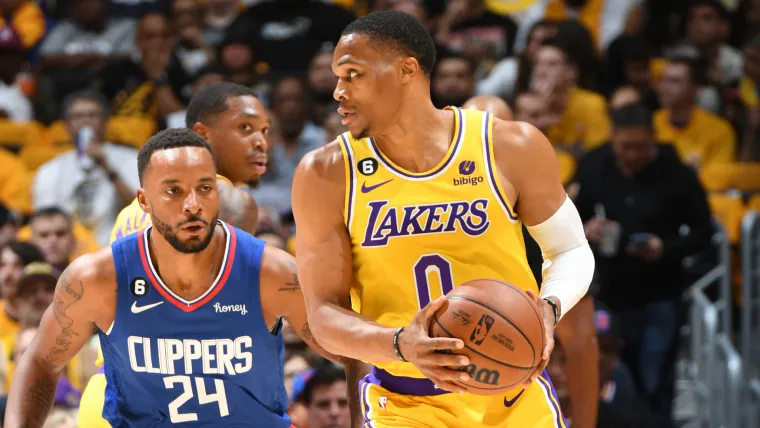
On October 21, 2022, Russell Westbrook delivered one of his worst stat lines against the Los Angeles Clippers. The former MVP shot 0-for-11 from the field, scoring only 2 points – both from free throws – in 27 frustrating minutes.
Despite being one of the NBA triple double leaders, Westbrook finished with 3 rebounds, 4 assists, and no field goals made. His shot selection looked forced, and he appeared out of sync with the Lakers’ offense the entire night.
The Clippers dared him to shoot, and Westbrook couldn’t capitalize, missing jumpers, layups, and transition opportunities. Even his trademark energy couldn’t mask the inefficiency that hurt the Lakers on both ends of the court.
Fans and analysts widely criticized the performance, calling it one of the worst games in Westbrook’s storied career. While known for stuffing stat sheets, he couldn’t find rhythm or momentum throughout this high-profile rivalry matchup.
The Lakers needed a spark, but Westbrook’s cold hand only deepened their offensive struggles and spacing issues. Though he is known for giving 100% in every game, this game was a low point few expected.
Ultimately, the Clippers won 103-97, and Westbrook’s dreadful outing became the talk of postgame discussions and headlines.
James Harden: When The Threes Aren’t Hitting
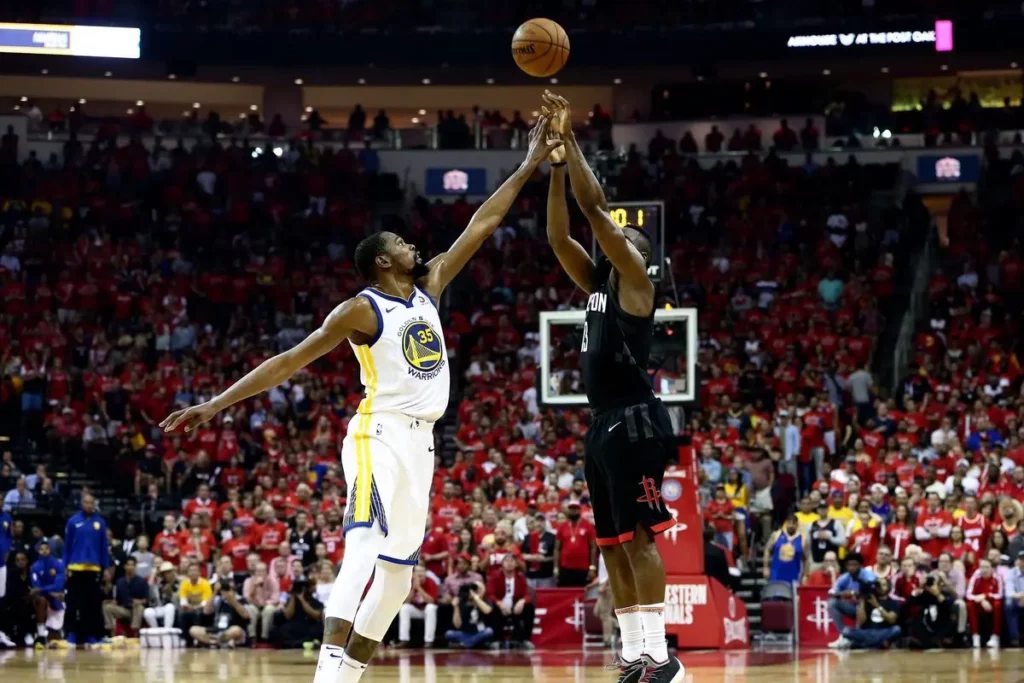
In Game 7 of the 2018 Western Conference Finals, James Harden delivered his worst playoff stat line against the Golden State Warriors. The Houston Rockets’ superstar shot 12-for-29 from the field and just 2-for-13 from three-point range, finishing with 32 inefficient points.
Despite the scoring total, Harden’s poor shooting and decision-making doomed Houston’s hopes of reaching the NBA Finals. The Rockets infamously missed 27 consecutive three-pointers, a record-breaking collapse by one of the league’s best three-point shooting teams.
Harden, considered one of the best NBA shooters at the time, could not break the team’s shooting drought. He forced tough shots, failed to draw fouls, and struggled to control the game’s tempo under pressure.
Additionally, Harden tallied 6 turnovers, weakening his impact and giving the Warriors extra possessions. Golden State took advantage, turning a double-digit deficit into a commanding second-half lead.
Though Harden had an MVP season, this Game 7 effort damaged his playoff legacy. Fans expected him to lead, but his missed threes and rushed plays proved costly.
Ultimately, the Warriors won 101-92, ending the Rockets’ dream season and exposing their overreliance on long-distance shooting. This loss remains Harden’s most criticized playoff moment, despite his reputation among the NBA all time three point leaders.
Kobe Bryant: 1-14 Against the Spurs Equals a Loss
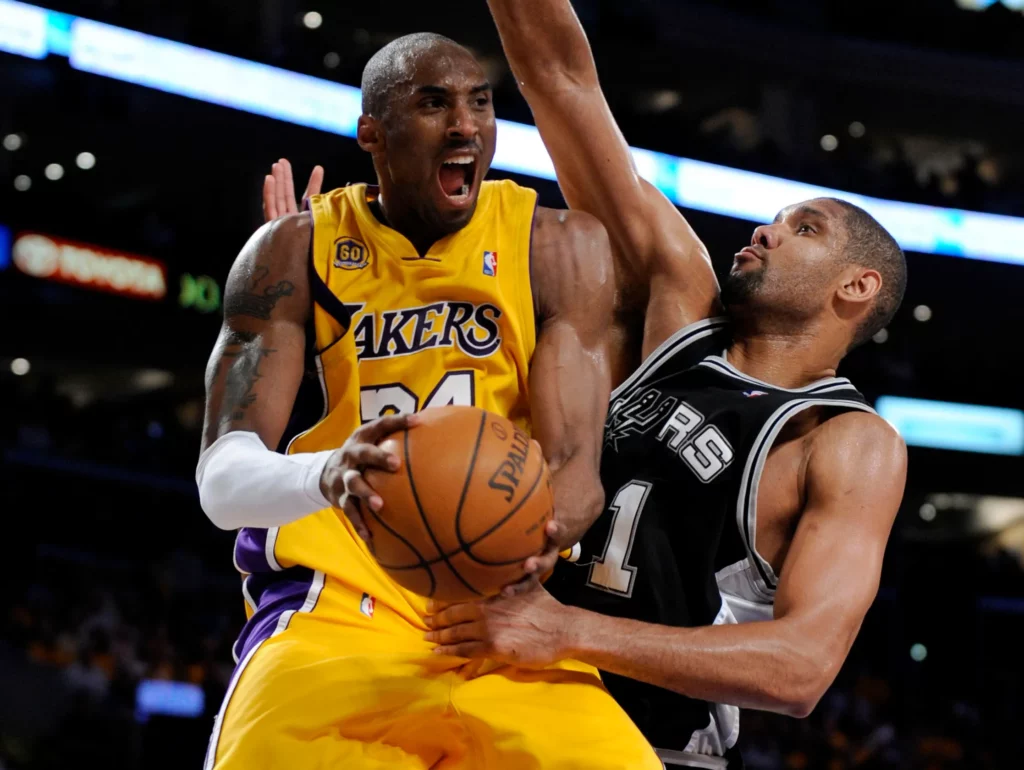
On November 15, 2014, Kobe Bryant posted one of his worst stat lines against the San Antonio Spurs. Despite being one of the best NBA shooting guards ever, Kobe shot a painful 1-for-14 from the field, scoring 9 points.
He added 6 assists and 3 turnovers, but his scoring inefficiency dominated headlines. His lone field goal came late in the game. Kobe’s prolific shot-taking tendencies were on full display, even as his shots continued to miss the mark.
He stayed aggressive, launching fadeaways, contested midrange jumpers, and tough threes – all without finding a rhythm. The Spurs defense stayed disciplined, forcing Kobe into uncomfortable angles and off-balance attempts.
Lakers fans watched in frustration as one of their legends struggled to produce offensively. At 36 years old, Kobe was battling fatigue, a rebuilding roster, and declining athleticism.
Even with his shooting struggles, he kept attacking, showcasing the relentless mindset that defined his entire career. Still, this game highlighted the limits of willpower alone, especially against an elite team like San Antonio.
Though Kobe remains one of the best NBA shooting guards, this performance was a glaring reminder of age and inefficiency. The Spurs won 93-80, as Kobe’s cold hand froze the Lakers’ momentum.

Andre Roberson: The “Zero” Game
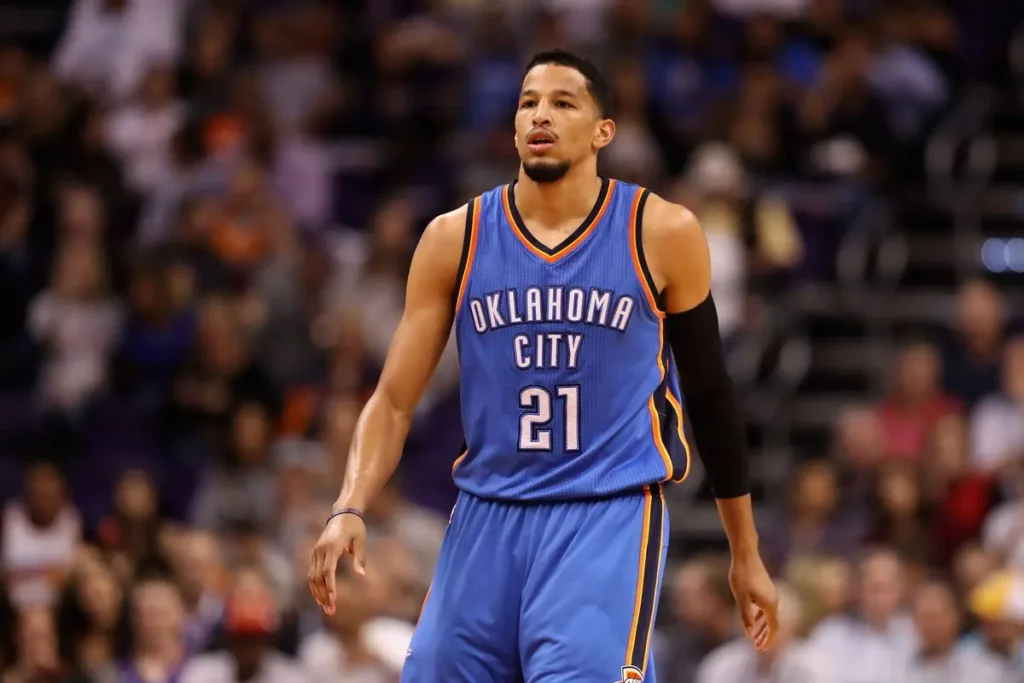
On February 25, 2016, Andre Roberson posted one of the worst NBA stat lines ever against the New Orleans Pelicans. In 22 minutes, Roberson recorded 0 points, 0 rebounds, 0 assists, 0 steals, and 0 blocks – a complete statistical shutout.
Despite being a starting shooting guard, he failed to impact the game in any measurable way across all key categories. Fans immediately noticed the rare “five-zero” line, which quickly circulated online as one of the NBA’s most forgettable performances.
Even players known for defense typically notch at least one rebound or steal. Roberson logged nothing across the board. Oklahoma City needed support around Kevin Durant and Russell Westbrook that night. Roberson couldn’t provide it on either end.
While he was never known for offense, this game exposed his glaring limitations when he wasn’t making defensive plays. His presence felt invisible, and critics pointed to this performance as proof of his offensive liability.
Coaches expect effort to show in at least one area, but Roberson’s stat sheet remained completely blank.
Ultimately, this game defined Roberson’s polarizing role – defensive specialist or offensive ghost – depending on the night. For those tracking NBA picks or NBA odds, this game became a cautionary tale about one-dimensional role players.
Kyle Kuzma: Ghost of a Performance in a Playoff Game
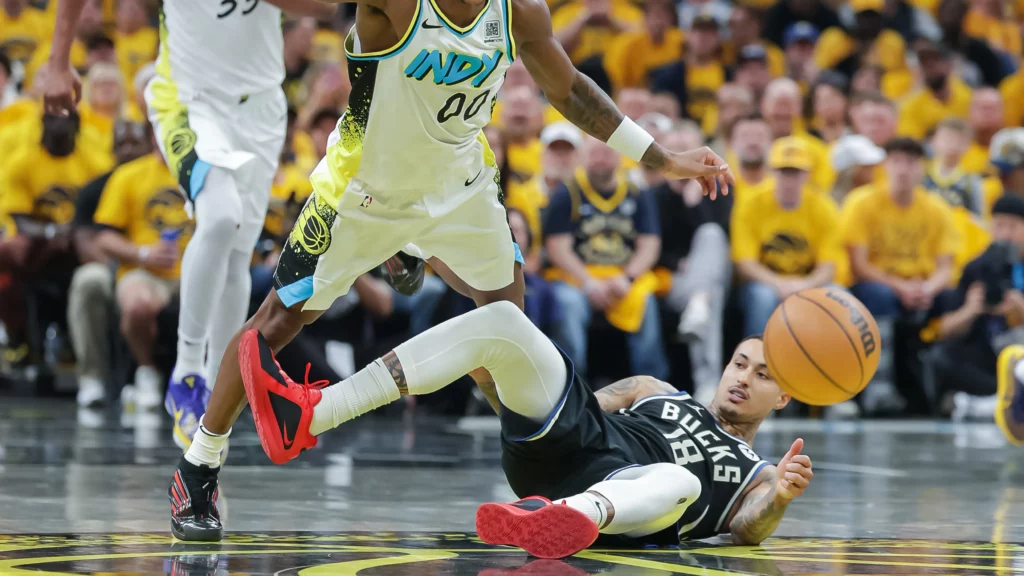
In Game 1 of the 2025 NBA Playoffs, Kyle Kuzma recorded an all-zero stat line against the Indiana Pacers. In 22 minutes, Kuzma posted 0 points, 0 rebounds, 0 assists, 0 steals, and 0 blocks – a total statistical blank.
The Milwaukee Bucks signed Kuzma for depth and scoring, but he delivered nothing during their series opener in Indiana. He missed all five field goal attempts, including two open jumpers, and looked hesitant throughout his time on the court.
The Pacers pressured him early, denying space and forcing rushed decisions that led to missed shots and poor floor spacing.
Even defensively, Kuzma failed to rotate effectively or close out shooters, drawing visible frustration from Bucks coaches. He contributed no hustle plays, showing no impact in transition, rebounding, or help defense throughout his minutes.
Milwaukee entered the game favored, but Kuzma’s lack of production widened the gap as Indiana built a double-digit lead.
Fans and analysts expected more from a veteran forward with playoff experience and scoring ability. Instead, Kuzma’s all-zero stat line highlighted his complete disappearance on the biggest stage.
While one game doesn’t define a series, this forgettable outing raised serious questions about his postseason reliability moving forward.
Tony Snell: No Stats for More Than 2 Quarters
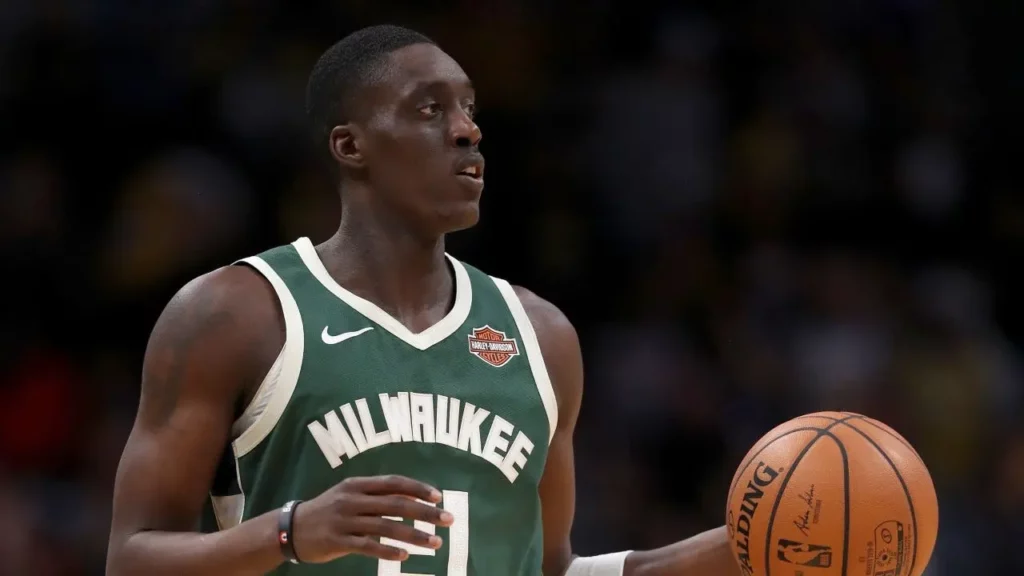
In 2017, Tony Snell delivered one of the most infamous stat lines ever during a game against the Utah Jazz. He played 28 minutes for the Milwaukee Bucks but recorded 0 points, 0 rebounds, 0 assists, 0 steals, and 0 blocks.
Despite staying on the floor nearly a full half, Snell made no statistical contribution in any major category. He attempted two shots, missed both, and didn’t get to the free-throw line even once during the game.
Though known as a 3-and-D player, Snell failed to register any impact on either side of the ball. Fans quickly labeled the performance the ultimate “cardio session” because of its complete absence from the box score.
Coaches typically expect at least one hustle stat – rebound, deflection, or assist – but Snell left the sheet entirely blank. The Bucks lost to the Jazz, and Snell’s invisible outing became the game’s most talked-about moment afterward.
This all-zero performance became legendary online, often used to joke about players just “getting their steps in.” While Snell had solid defensive moments in his career, this night became an unforgettable statistical outlier.
Even in a league of elite athletes, some games show just how strangely quiet a player’s night can be.

Joel Anthony: The King of the Worst NBA Stat Lines List
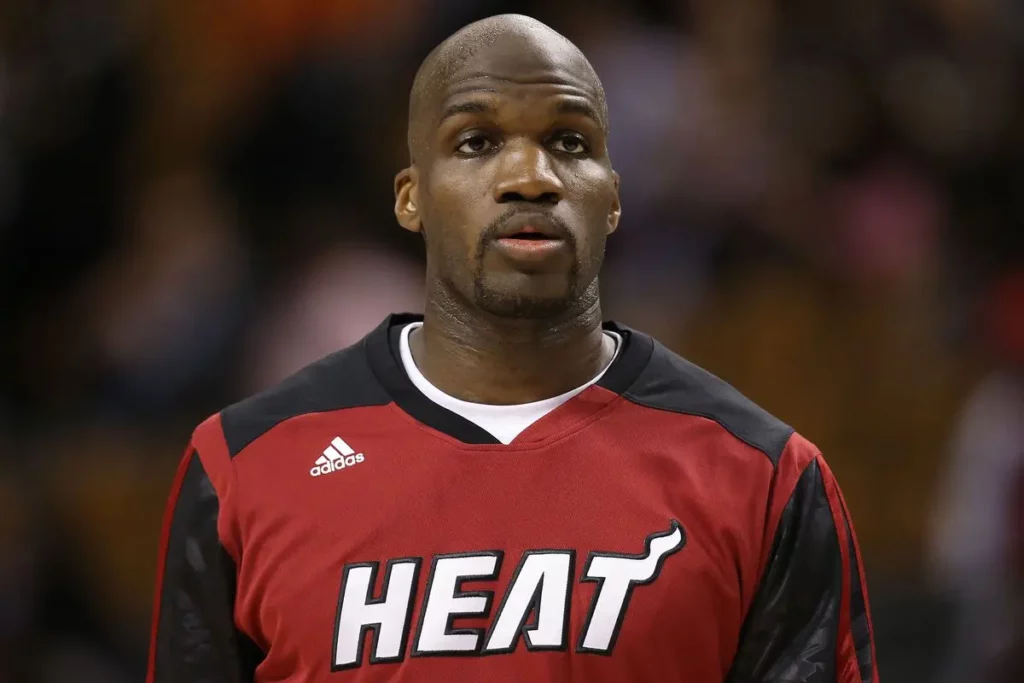
Joel Anthony recorded one of the most unusual stat lines in NBA history during a game against the Portland Trail Blazers. In 28 minutes and 46 seconds of action, Anthony posted 0 points, 0 rebounds, 0 assists, 0 steals, and 0 blocks – a true zero line.
Despite significant playing time, he made no statistical contribution in any major category, baffling fans and analysts alike. He didn’t attempt a single shot, showing extreme passiveness on offense throughout the entire game.
Defensively, he stayed active in positioning but failed to record even a single block or rebound. The Miami Heat expected hustle and rim protection, but Anthony’s presence didn’t translate into measurable results.
Even role players usually contribute in effort stats like rebounds or deflections – Anthony offered nothing on the box score. The Heat lost momentum during key stretches, and Anthony’s on-court invisibility didn’t help their cause.
Though he was known for shot-blocking and defense, this game exposed his offensive limitations and lack of involvement. Fans began referring to this outing as a “ghost game,” a phrase often used for silent stat nights.
While Anthony carved out a respectable NBA career, this performance remains one of his most statistically forgettable moments ever.
Looking for NBA content? Check out the NBA teams with the worst regular season record, or the best NBA journeymen ever.