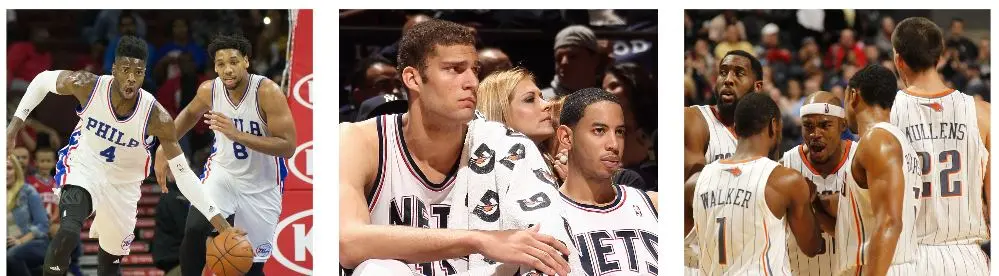
The worst NBA season record stands as a lasting reminder of how far teams can fall during challenging years. These records highlight painful rebuilds, poor front-office moves, and unfortunate injuries. Though some teams entered seasons with decent NBA odds, they quickly fell behind due to lack of talent or leadership.
In many cases, fans witnessed historic losing streaks, empty arenas, and forgotten rosters. However, these low points often led to future franchise turnarounds. For instance, poor seasons gave teams high draft picks and a chance to reset. Still, the suffering in the moment was real.
Moreover, franchises like the Clippers and Nets experienced seasons that tested fan loyalty and management patience. Each team on this list failed to reach even 15 wins in a full or shortened season.
Despite the odds, they struggled to stay competitive throughout. As we rank the 10 worst NBA season records ever, expect tales of dysfunction, missed opportunities, and rock-bottom performances that reshaped league history.
2004-05 Atlanta Hawks: No Star Power Equals Big Losses
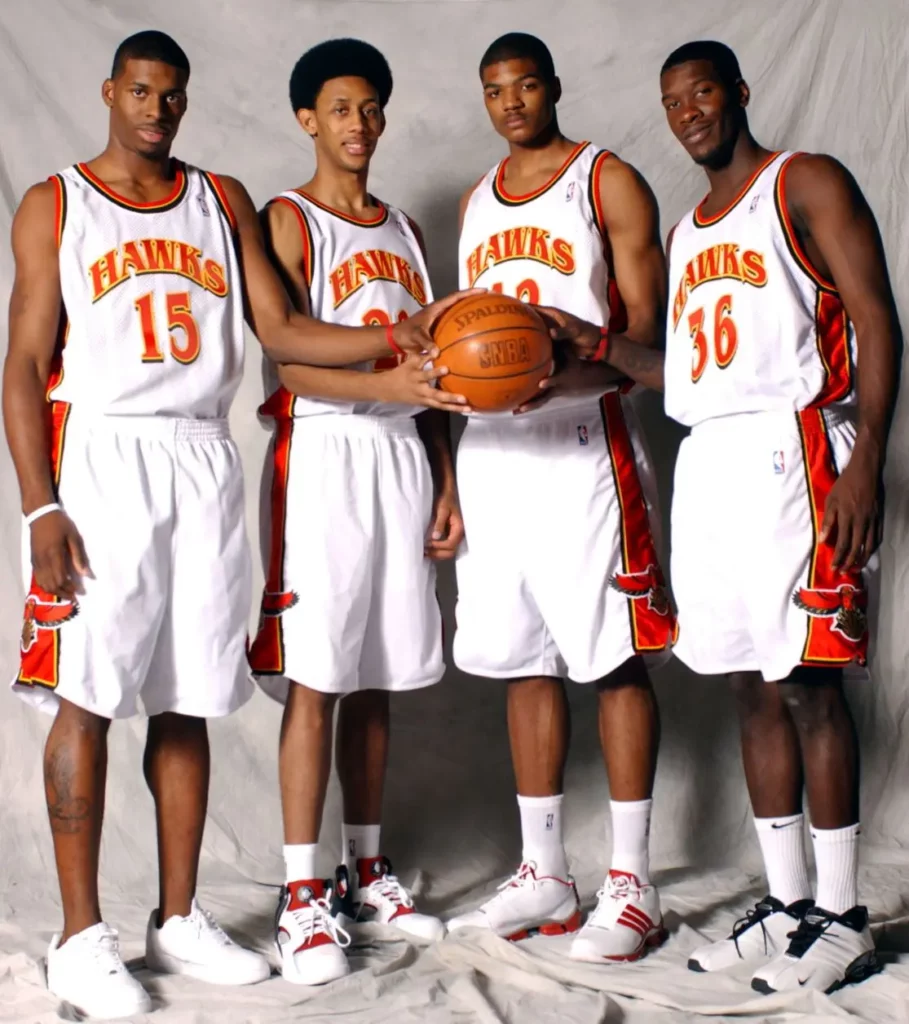
Win-Loss Record: 13-69
Win-Loss Percentage: 15.9%
The 2004-05 Atlanta Hawks ended the season with a 13-69 record, marking the 10th worst NBA season record of all time. Atlanta struggled from the start, showing no clear direction during a long and painful rebuilding process. They ranked near the bottom in offense, defense, and assists.
Despite flashes of talent, the roster lacked experience and cohesion. Josh Smith, then a rookie, showed promise with athletic dunks and blocks. Al Harrington led the team in scoring but couldn’t carry the load alone. Meanwhile, Tyronn Lue and Antoine Walker provided little consistency.
The Hawks went winless in several multi-game stretches and ended the season on a 12-game losing streak. Coaching changes and front-office missteps added more instability. They cycled through lineups, hoping something would work.
As a result, the Hawks rarely stayed competitive in games. Their young players lacked structure and veteran mentorship. The team’s struggles frustrated fans and created a negative atmosphere.
Still, this dreadful year helped secure a better draft position. It set the stage for Atlanta’s eventual rise with stars like Joe Johnson and Al Horford. Though miserable, the 2004-05 season was a turning point.
1993-94 Dallas Mavericks: Developing the Triple J Ranch
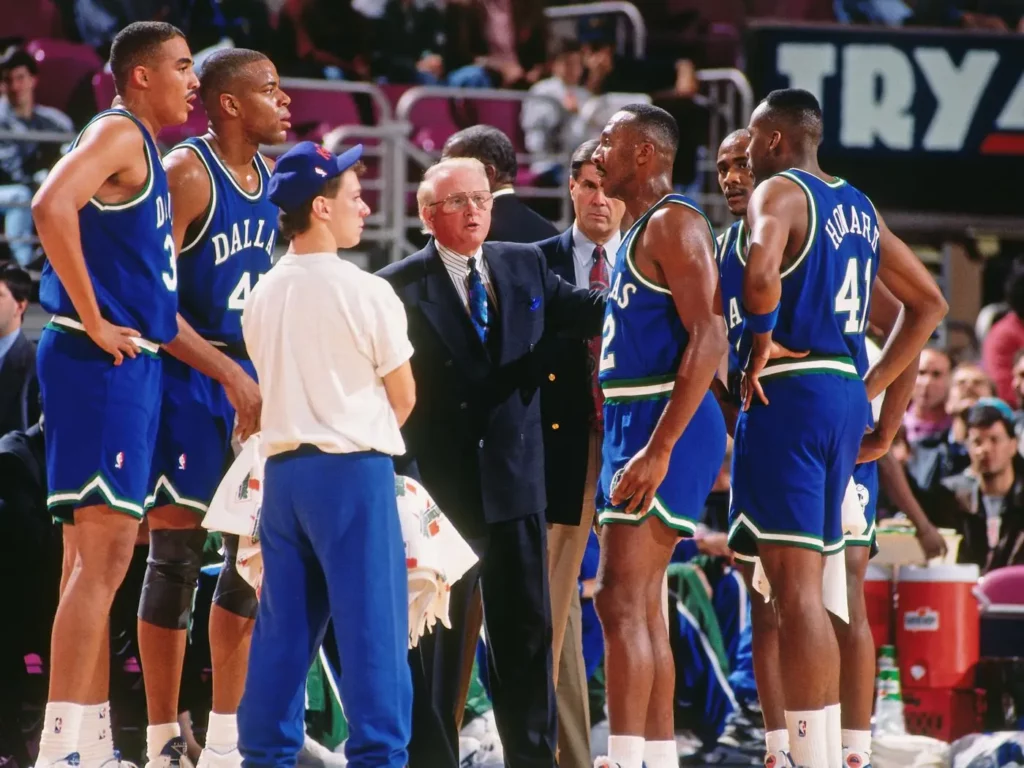
Win-Loss Record: 13-69
Win-Loss Percentage: 15.9%
The 1993-94 Dallas Mavericks finished with a 13-69 record, making them the 9th worst NBA season record of all time. After a disastrous 11-71 campaign the year before, Dallas showed only slight improvement. The franchise remained stuck in a painful rebuild without a clear direction.
Jamal Mashburn, the team’s promising rookie, averaged 19.2 points and brought energy to an otherwise struggling lineup. Jim Jackson added scoring but missed time due to injuries. Despite their talent, both young stars lacked the support needed to turn games around.
Meanwhile, the Mavericks had no consistent defensive anchor or veteran leader. They ranked near the bottom in shooting, assists, and opponent points per game. Long losing streaks continued to define their season.
Coaching changes and front-office instability added to the dysfunction. The team cycled through rotations trying to find chemistry that never developed. Fans saw little reason for optimism.
Although Mashburn and Jackson showed flashes of brilliance, the rest of the roster failed to compete. As a result, Dallas remained one of the NBA’s least competitive teams.
It would take another year to get Jason Kidd, the final piece of their Triple J Ranch lineup.

2009-10 New Jersey Nets: An 0-18 Start is a Bad Omen
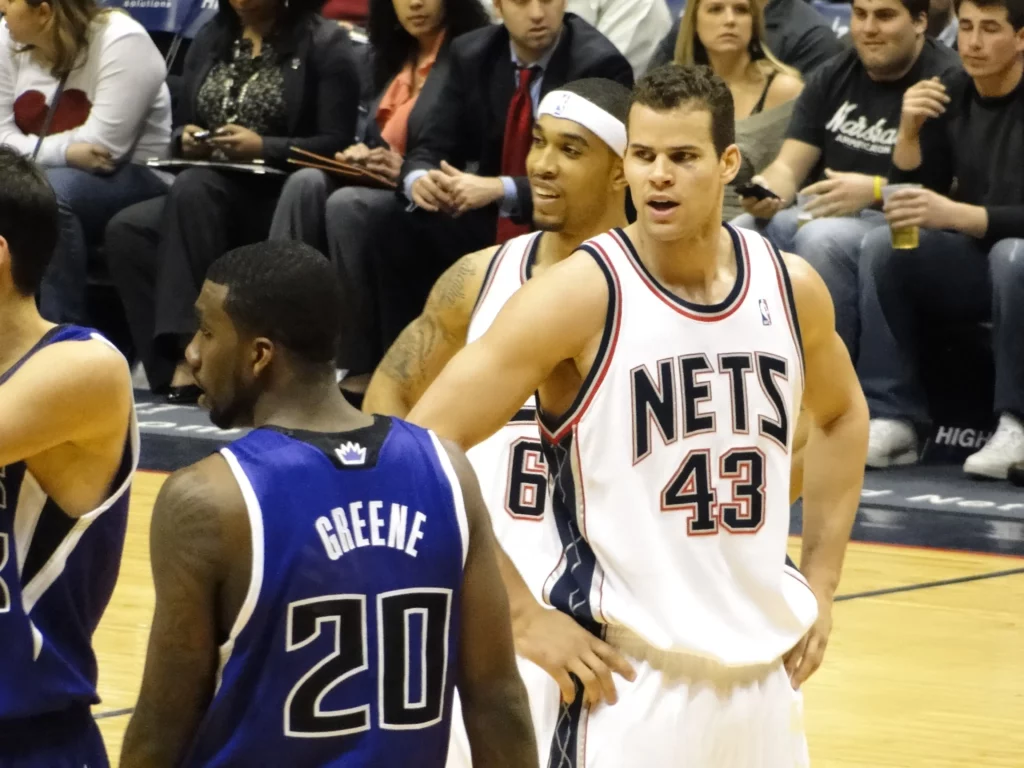
Win-Loss Record: 12-70
Win-Loss Percentage: 14.6%
The 2009-10 New Jersey Nets finished with a 12-70 record, ranking as the 8th worst NBA season record of all time. They began the year with an 0-18 start, the worst season-opening streak in NBA history at the time. Despite some young talent, they struggled to compete consistently.
Brook Lopez emerged as a reliable scorer and rebounder, averaging 18.8 points and 8.6 rebounds per game. Devin Harris, an All-Star the previous season, dealt with injuries and couldn’t regain form. Meanwhile, role players like Courtney Lee and Terrence Williams lacked the experience to carry the team.
The Nets ranked near the bottom in nearly every major statistical category. Fans and analysts quickly lost faith, and even NBA betting sites stopped giving them favorable NBA picks.
Frequent coaching changes and a weak bench only made things worse. The team lacked identity, direction, and on-court chemistry. Blowout losses became a regular occurrence as morale dropped.
Ultimately, the season became a cautionary tale of poor roster construction and bad luck. Despite promising pieces, the 2009-10 Nets became historically bad and earned a place in NBA infamy.
1986-87 Los Angeles Clippers: Team Marred with Tons of Unfortunate Events
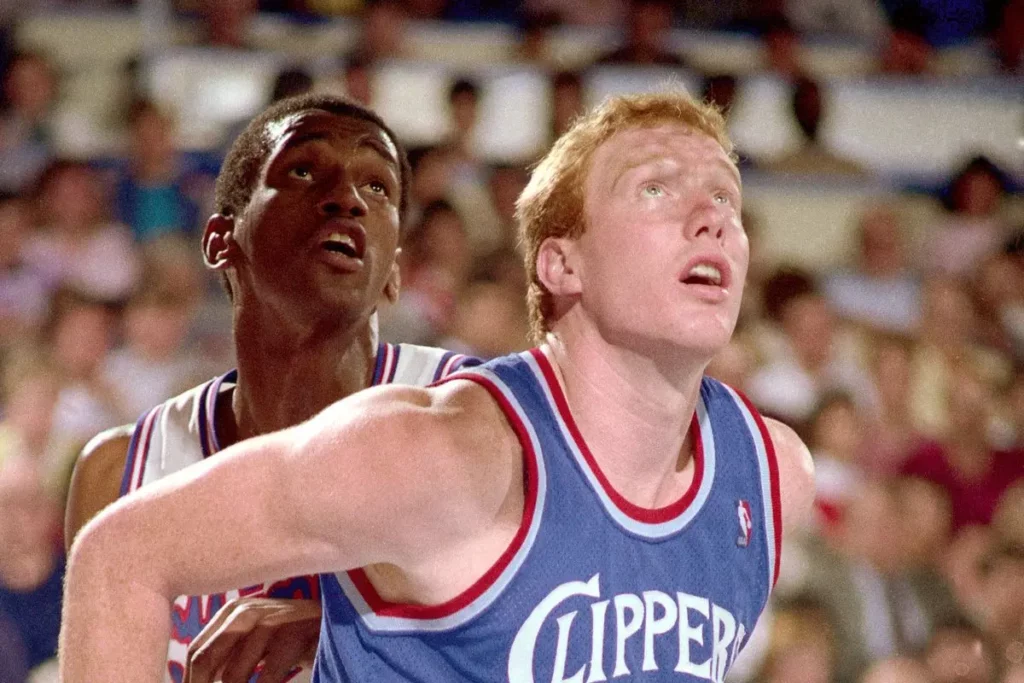
Win-Loss Record: 12-70
Win-Loss Percentage: 14.6%
The 1986-87 Los Angeles Clippers posted a dreadful 12-70 record, making them the team with the 7th worst NBA season record of all time. Despite some young talent, the team never found rhythm or consistency. They ranked near the bottom in scoring, defense, and overall efficiency.
The Clippers featured notable names like Benoit Benjamin and Michael Cage, but they lacked a true star or floor leader. Injuries to key players made a bad situation worse. Additionally, frequent lineup changes disrupted team chemistry and player development.
The franchise also suffered from unstable leadership. Multiple coaching changes throughout the season created confusion and inconsistency. Poor front-office decisions further compounded the team’s problems.
Their longest losing streak stretched over 13 games, and blowout losses became common. Even at home, the Clippers rarely looked competitive. Fans and media alike viewed the team as one of the league’s least functional.
Unsurprisingly, the 1986-87 season continued the Clippers’ legacy of futility in the 1980s. Despite glimpses of potential, the team’s dysfunction overshadowed individual performances.
This disastrous year solidified their place in NBA history – for all the wrong reasons.

1997-98 Denver Nuggets: A Down Season Marred with a 23-game Losing Streak
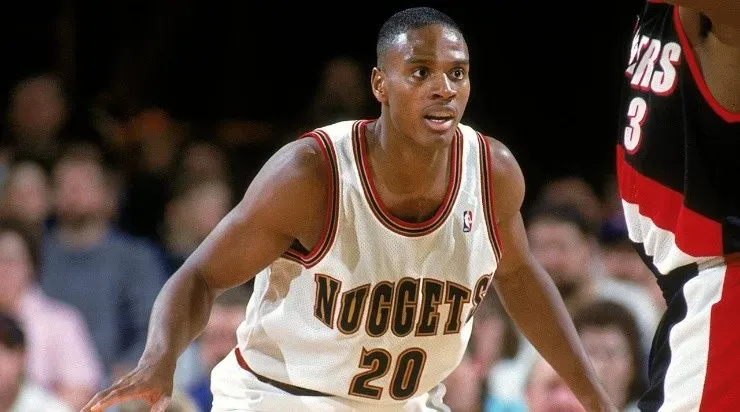
Win-Loss Record: 11-71
Win-Loss Percentage: 13.4%
The 1997-98 Denver Nuggets ended the season with an 11-71 record, tying for the 6th worst NBA season record ever. From opening night, the Nuggets struggled on both ends of the floor. They lacked veteran leadership and consistent offensive production.
Tony Battie, a promising rookie, showed flashes of potential but wasn’t ready to anchor the frontcourt. Eric Williams and Johnny Newman contributed, but injuries and inconsistency hurt the rotation. Denver cycled through lineups, searching for combinations that could compete.
They suffered a 23-game losing streak, one of the longest in league history. Moreover, they went just 2-39 on the road. Fans grew frustrated as the team routinely lost by double digits.
The coaching staff failed to establish a strong system or identity. Player development stalled, and morale continued to decline. Denver ranked near the bottom in field goal percentage, defense, and assists.
This disastrous season highlighted the franchise’s deep-rooted problems in scouting and roster building. However, it also secured a high draft pick for the following year.
The Nuggets’ 1997–98 season marked a low point in team history, remembered more for losses than any notable achievements.
1992-93 Dallas Mavericks: Down in the Doldrums During the Early 90s

Win-Loss Record: 11-71
Win-Loss Percentage: 13.4%
This was a nightmare season for Dallas, which had been a playoff team in the ’80s. With poor drafting and roster instability, the Mavericks won just 11 games. Jim Jackson was a rookie, but injuries and dysfunction derailed the season.
The 1992-93 Dallas Mavericks finished with an 11-71 record, earning the 9th worst NBA season record of all time. This season occurred well before the Dirk Nowitzki era and highlighted one of the franchise’s lowest points.
Dallas lacked chemistry, leadership, and reliable scoring throughout the year. Jim Jackson, a top draft pick, played only 28 games due to a contract dispute. Derek Harper provided veteran presence, but he couldn’t carry the team alone. The Mavericks also struggled defensively and ranked near the bottom in team efficiency.
They endured multiple losing streaks, including a brutal 15-game skid. As a result, fans lost hope, and attendance dipped. Their struggles made them an easy pick for losses on NBA betting sites and rarely favored in NBA odds.
This team that lacked the identity later built around one of the best NBA power forwards, Dirk Nowitzki. But during the 1992-93 season, Dallas had no clear future stars or direction.
Ultimately, the 1992-93 season became a turning point. It forced a long rebuild and reshaped how the front office approached the draft and development. The pain eventually laid the groundwork for future success.

1947-48 Providence Steamrollers: The Team that Got Steamrolled
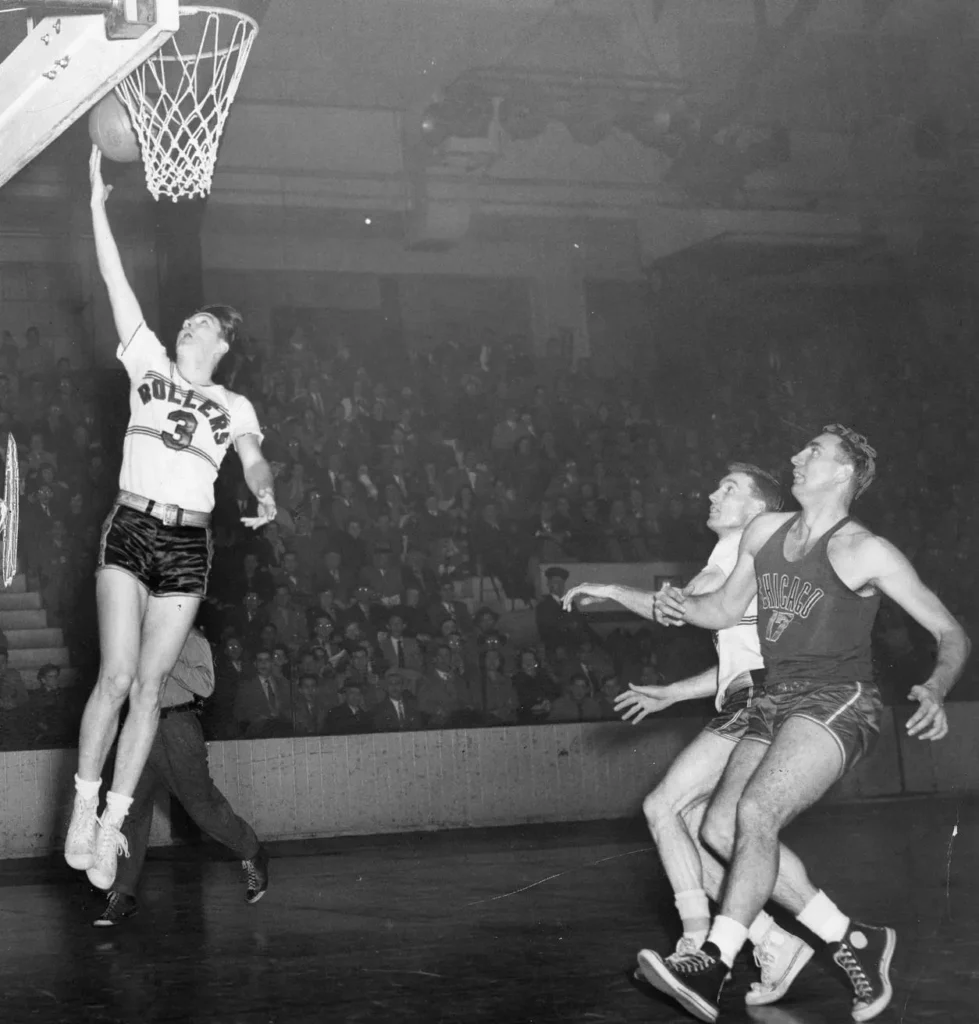
Win-Loss Record: 6-42
Win-Loss Percentage: 12.5%
The 1947-48 Providence Steamrollers finished with a 6-42 record, giving them the 4th worst NBA season record of all time. Competing in the Basketball Association of America, the early version of the NBA, the Steamrollers struggled mightily in their second season.
They lacked star power and suffered from poor team depth. Kenny Sailors, known for popularizing the jump shot, was their most notable player. However, he couldn’t carry the team alone. The offense often stalled, and the defense failed to stop even average opponents.
Additionally, the league was still evolving, but Providence failed to keep pace with better-organized franchises. They lost games by wide margins and never developed consistent chemistry. Home attendance remained low, and fan interest faded quickly.
The Steamrollers finished last in their division and showed no signs of progress. Coaching changes and ineffective strategies added to the chaos. As a result, they earned a place in basketball history for futility.
Despite early professional roots, the team folded shortly after the season ended. Their brief, unsuccessful run remains a symbol of the league’s growing pains and one of its earliest failures.
2015-16 Philadelphia 76ers: “The Process” Had Major Growing Pains
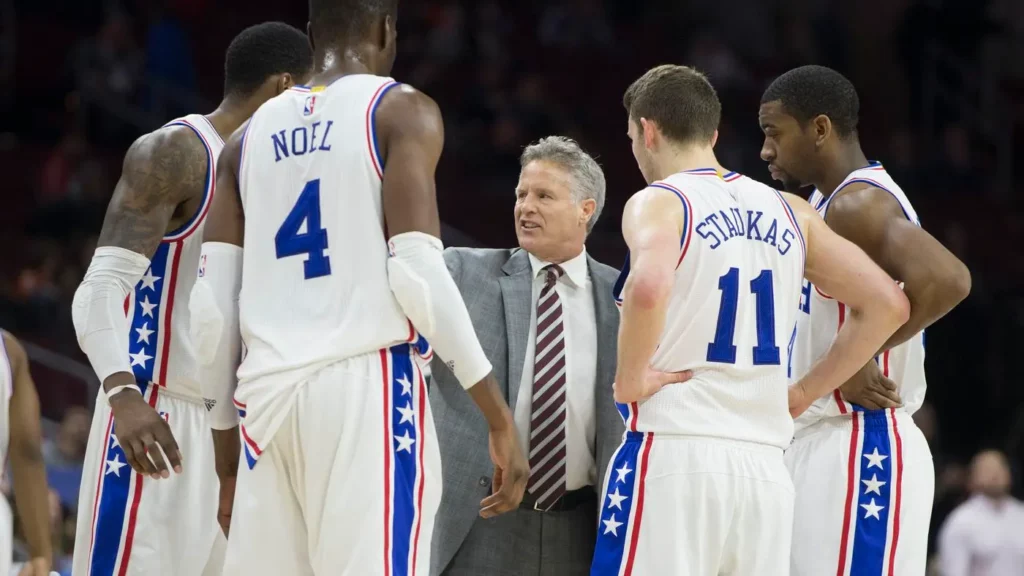
Win-Loss Record: 10-72
Win-Loss Percentage: 12.2%
The 2015-16 Philadelphia 76ers finished with a 10-72 record, making it the 3rd worst NBA season record of all time. This season was part of Philadelphia’s infamous “Process,” a long-term rebuild focused on collecting draft picks and developing young talent.
Despite the plan, the on-court product suffered. The Sixers lacked experienced players and consistent scoring threats. Jahlil Okafor, a rookie, led the team in scoring with 17.5 points per game but struggled on defense. Nerlens Noel showed flashes as a defender but lacked offensive polish.
Meanwhile, injuries sidelined Joel Embiid, the franchise’s top prospect, for the entire season. The backcourt featured unproven guards who couldn’t control the tempo or score efficiently. As a result, the team lost 18 straight games to start the season.
Philadelphia ranked near the bottom in shooting, assists, and turnovers. Coaching instability and limited leadership hurt player development and morale. Fans grew frustrated, and criticism of the rebuilding strategy intensified.
However, this rock-bottom year led to future draft picks and long-term planning. Though painful, the 2015-16 season became a necessary low point in Philadelphia’s eventual resurgence.

1972-73 Philadelphia 76ers: Owners of the Worst Full-Season Record
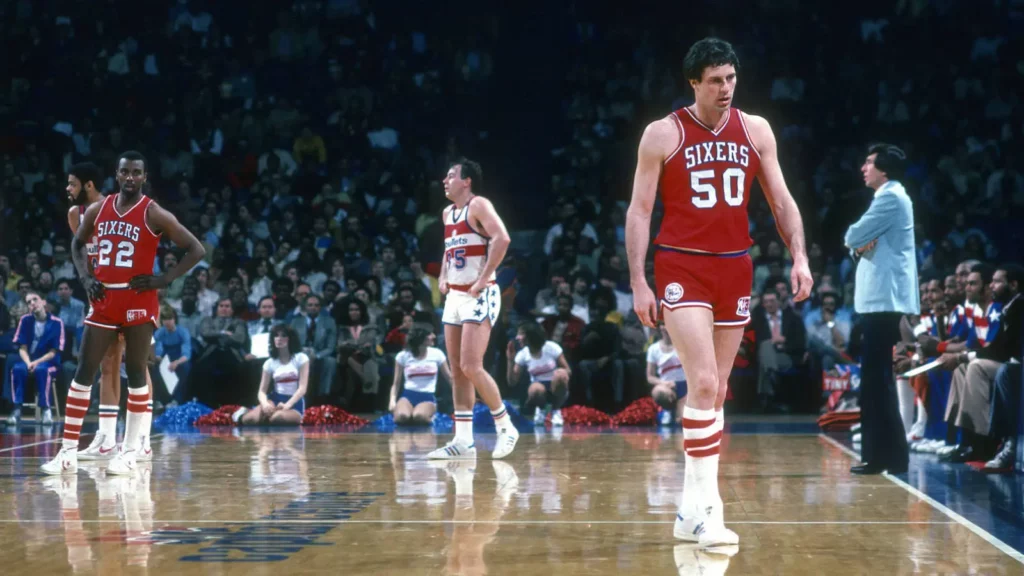
Win-Loss Record: 9-73
Win-Loss Percentage: 11.0%
The 1972-73 Philadelphia 76ers posted a 9-73 record, earning the 2nd worst NBA season record of all time. This disastrous season followed years of poor drafting, trades, and front-office decisions after the departure of Wilt Chamberlain.
Despite some effort from veterans, the roster lacked balance, experience, and star power. Fred Carter led the team in scoring with 20 points per game, but he had little help. John Block contributed in the frontcourt, yet injuries and inconsistency plagued the rotation.
Philadelphia opened the season losing 15 of its first 16 games. Then, it suffered a 20-game losing streak that crushed morale. The team ranked last in offense and defense, showing little competitiveness on most nights.
The coaching staff rotated players constantly, searching for chemistry that never materialized. Meanwhile, the fan base watched in frustration as the team collapsed.
Front-office turmoil only made things worse. The Sixers struggled with scouting, development, and long-term planning. They failed to make impactful roster moves to improve their chances of having a better season.
The Sixers’ disastrous 1972-73 season became a cautionary tale in NBA history. It marked one of the league’s lowest franchise points, both on and off the court.

2011-12 Charlotte Bobcats: The Owner of the Worst NBA Season Record of All Time
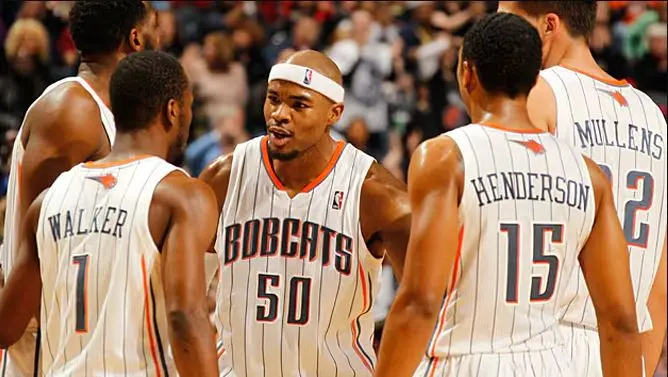
Win-Loss Record: 7-59
Win-Loss Percentage: 10.6%
The 2011-12 Charlotte Bobcats finished with a 7-59 record, earning the worst NBA season record by win percentage in league history. Due to the lockout-shortened schedule, their .106 winning percentage remains unmatched in futility.
Charlotte lacked veteran leadership, consistent scoring, and team chemistry. Kemba Walker, then a rookie, led the team with flashes of brilliance. However, he couldn’t carry a roster filled with inexperience and journeymen. Gerald Henderson also contributed, but neither could change the team’s fortunes.
The Bobcats lost their final 23 games, setting an NBA record for the longest losing streak to end a season. Offensively, they ranked last in points, field goal percentage, and assists. Defensively, they failed to contain even mediocre opponents.
Coaching changes and front-office instability added to the problems. The team struggled to establish a clear identity or direction. Every loss highlighted a lack of depth and resilience. Even Michael Jordan, the one of best NBA shooting guards of all time, at the ownership role had to see his team rack up the losses.
Fans grew increasingly frustrated, and home attendance declined. Although painful, this season secured Charlotte a top draft pick. The Bobcats’ historically poor year eventually became a turning point in their long rebuild and future roster improvement.
Looking for more shocking NBA stats? Check out the biggest NBA busts, or the worst NBA stat lines ever.