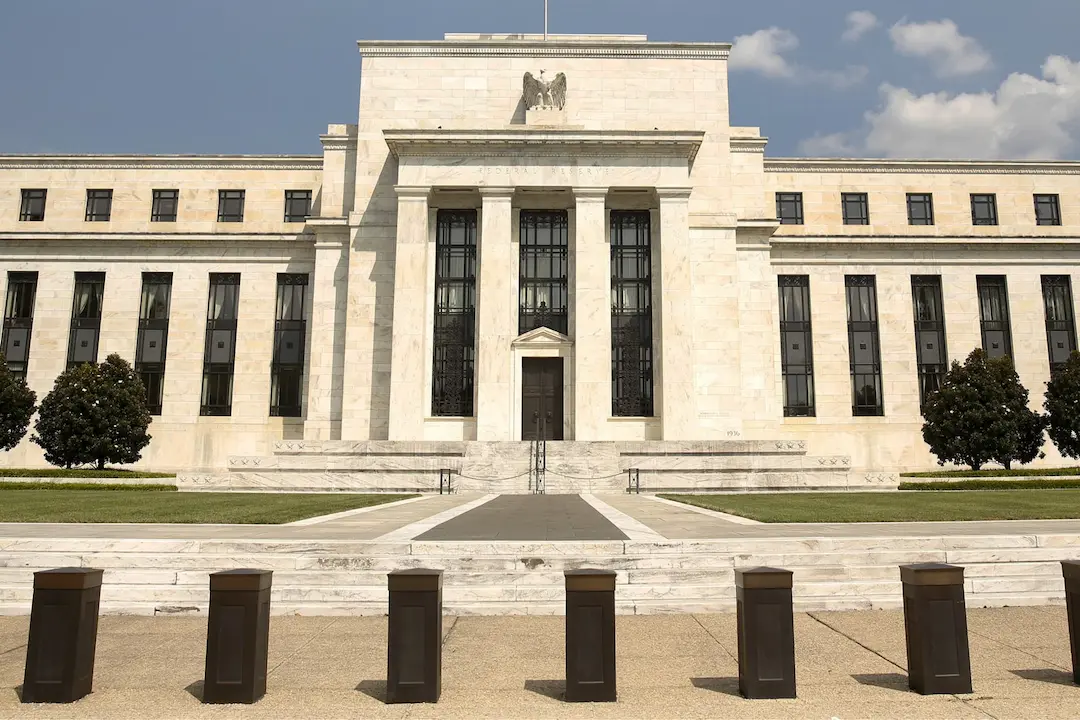
The Federal Reserve announced it is ending its specialized “novel activities supervision program” for banks’ digital-assets work on August 15, 2025. Instead, the Fed will fold oversight of crypto, stablecoin, and fintech operations into its standard supervisory practices, reflecting the central bank’s deeper insight into those activities.
The program, launched in August 2023, targeted banks providing deposits, payments, lending, crypto-asset custody, and stablecoin services. The Fed said it had gained enough expertise to return to its usual risk-focused approach.
“As a result, the Board is integrating that knowledge and the supervision of those activities back into the standard supervisory process,” the Fed said. “We are rescinding the 2023 supervisory letter creating the program.”
Impact Crypto Oversight Program Ending on the Crypto Casino Industry
The move may boost confidence for crypto casinos and online casinos that rely on bank partnerships. Such operators often depend on seamless banking access for deposits, withdrawals, and liquidity.
Under the old system, banks needed advance approval to engage with emerging assets, adding friction for casino operators. Now, with oversight normalized, banks might offer services more quickly, which could benefit crypto-based gaming platforms.
Still, expectations for safety, compliance, and risk management remain. Banks must still meet standard regulatory standards before offering services tied to crypto casinos or online casinos. But the removal of extra layers could reduce delays.
Political and Industry Context
This change with the crypto oversight program comes in the wake of broader regulatory easing. Earlier this year, the Fed, FDIC, and OCC removed guidance that required banks to obtain pre-approval before engaging in cryptocurrency or stablecoin activity. The OCC even clarified banks may hold cryptocurrencies for clients.
Some industry figures framed the Fed’s decision as a win against what they called “Operation Chokepoint 2.0,” referring to regulatory pressure perceived as targeting crypto firms. Senator Cynthia Lummis (R-WY), for instance, hailed the move on social media.
Looking Ahead
The Fed stressed that despite ending the crypto oversight program, it will continue enforcing robust risk-management standards under its general supervisory regime.
For crypto casino operators and the broader crypto casino industry, the shift signals a normalization, perhaps smoother banking access, while maintaining regulatory guardrails.