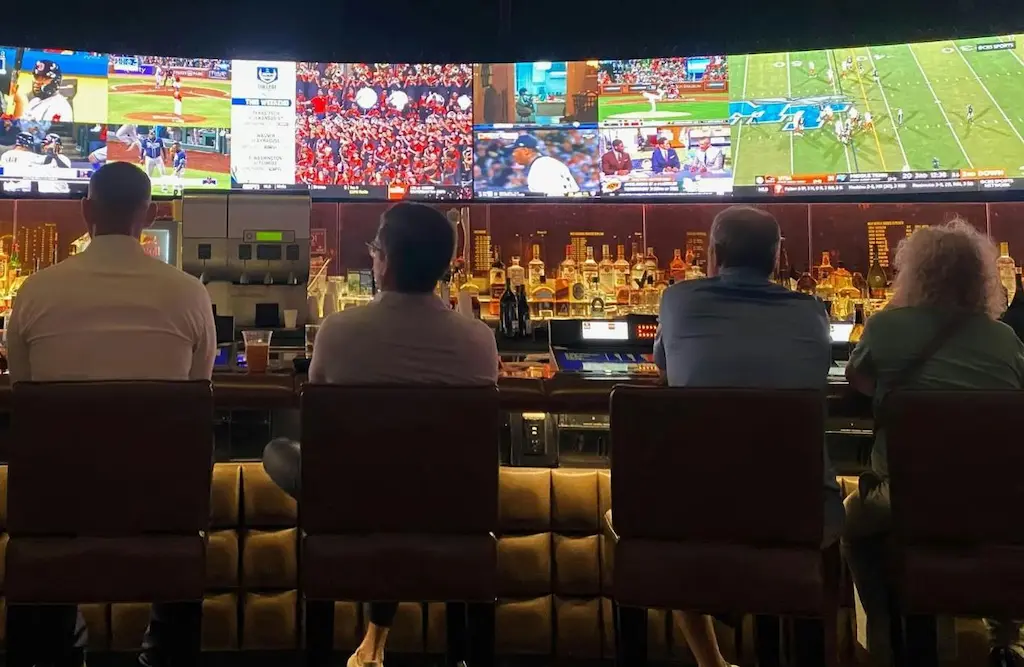
Illinois saw a sharp drop in sports wagering activity in September, with the number of online bets plunging by 15% year over year. The decline comes after the state implemented a new per-bet tax, a change that has sparked warnings about the health of the legal market.
Why Illinois Sports Betting by 15%
According to the Sports Betting Alliance (SBA), Illinois bettors placed 5 million fewer wagers in September compared to the same month in 2024. The drop coincided with the first full month that operators imposed surcharges and minimum bet sizes, following the state’s per-wager levy.
Despite the fall in bet numbers, the total amount of money wagered actually rose. Illinois bettors staked $1.4 billion in September 2025, a 9% increase compared to September 2024.
But the higher handle didn’t help sportsbook operators: their combined revenue fell dramatically, slipping to about $103 million from $131 million a year earlier.
The new per-bet tax brought in $10.6 million in state tax receipts. Yet that was only about $740,000 more than what the state collected in September 2024. This was a modest gain, experts say, given the drop in operator income.
Maura Possley, spokesperson for the Sports Betting Alliance of Illinois, stated that the data indicate the state’s tax hike is driving players away from the regulated market.
“The numbers show that bets plunged in Illinois after the law took effect, which is a red flag that sports fans are fleeing the legal market in favor of cheaper, illegal alternatives,” she said.
Possley warned that overtaxing legal betting will push bettors outside state or city lines, or look for sportsbook alternatives. These will have profound negative implications for both the legal industry and future tax revenues.
Tax Burden Passed on to Bettors
To cope with the added cost from the state’s tax, many major sportsbooks passed the burden on to their customers. This come in the form of per-bet surcharges.
Major operators such as Caesars Sportsbook, FanDuel, and DraftKings introduced a 50-cent surcharge on each bet. Meanwhile, Fanatics set a lower surcharge of $0.25, reflecting its smaller volume of bets. The most recent major operator was Caesars Sportsbook, who imposed a $0.25 per-wager fee on online sports bets in Illinois last September 1, 2025.
These surcharges are meant to offset the per-wager levy, which is 25 cents per bet for the first 20 million wagers and 50 cents thereafter.
Industry voices argue these fees are driving bettors away from the regulated market. The SBA warns that punishing surcharges may push consumers toward other US online sportsbooks.
Outlook: Risks for Revenue and Market Sustainability
Looking ahead, the decline in wagering volume raises big questions about future tax revenue and the long-term viability of the regulated sports betting market in Illinois.
If bettors continue to drop off, the state stands to earn less, even with the higher per-bet tax in place.
Trade groups suggest that over-taxing legal betting could undermine the sustainability of U.S. online sportsbooks in Illinois, limiting growth and reducing the legal market’s appeal.
Meanwhile, Illinois may face a “warning sign” for its state coffers, as tax revenue gains remain modest despite the aggressive levy. If the trend continues, the state could be forced to reassess its tax policy.
Betting Industry News Betting Industry News Betting Industry News Betting Industry NewsMore Industry News

New York Online Sportsbooks Hit $280.6M in November

Indiana Targets Sweepstakes Casinos with HB 1052

Louisiana Rules Sports Prediction Markets Illegal

Michael Moskowitz Exits as NorthStar Gaming CEO